
Sports Hernia and Groin Pain Syndrome: PACT Surgeon Dr. Bonadies Co-Authors Landmark Study on Who It Affects and How to Treat It
Published: January 2026 | PACT Surgical Specialists, Hamden, CT | The Orthopaedic Journal of Sports Medicine
PACT Surgeon Dr. Bonadies Research Expands Understanding of a Misunderstood Condition
Chronic groin pain is easy to dismiss. It gets written off as a muscle strain. It goes undiagnosed for months — sometimes years.
But for hundreds of patients treated by PACT Surgical Specialist Dr. John A. Bonadies, there was a more precise answer.
Dr. Bonadies recently co-authored a peer-reviewed study in The Orthopaedic Journal of Sports Medicine. The research examines outcomes for patients with groin pain syndrome (GPS) — the condition commonly called a “sports hernia.” It was conducted at Frank H. Netter MD School of Medicine at Quinnipiac University. Co-authors include Ekrem M. Ayhan, Nicholas B. Wells, Daryle LaMonica Jr., and Richard S. Feinn.
The study is one of the largest of its kind. Its most important finding: groin pain syndrome does not only affect athletes.
What Is Groin Pain Syndrome — and Is It the Same as a Sports Hernia?
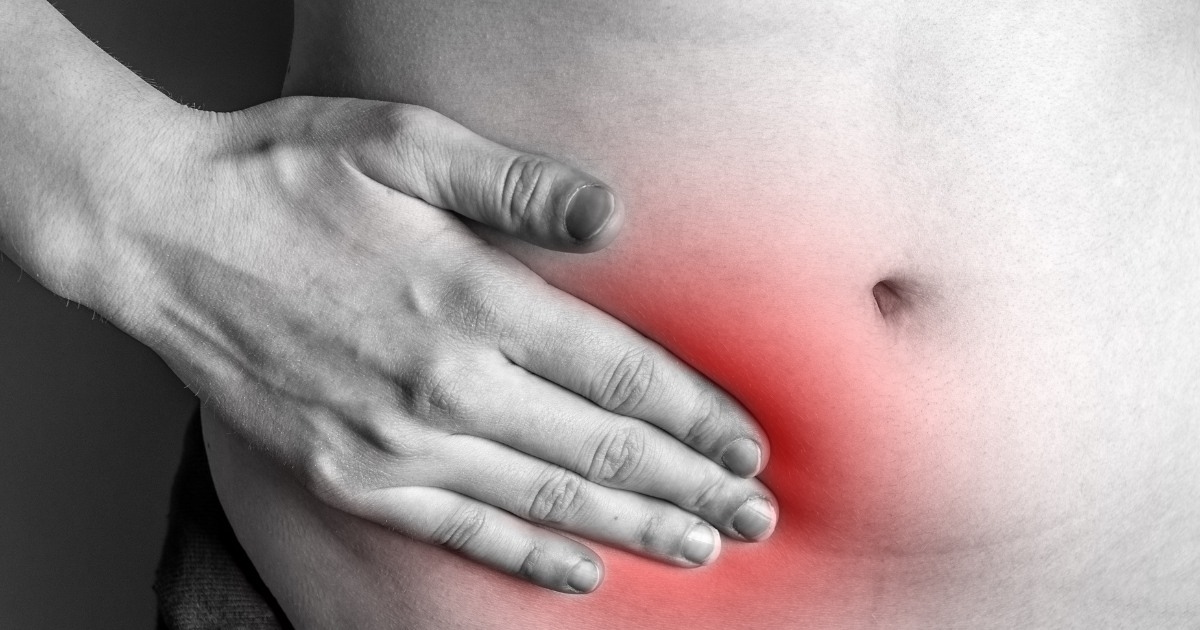
Groin pain syndrome (GPS) affects the pubic joint and surrounding structures. This includes the inguinal floor, adductor tendons, and lower abdominal muscles. It develops from excessive stress on the pubic symphysis over time. The result is weakness or tearing in the tissues that stabilize the groin. Importantly, no true hernia forms.
Despite the familiar name, “sports hernia” is misleading. No hernia is actually present. Experts recommend the terms groin pain syndrome or inguinal disruption instead. These names reflect the actual anatomy involved.
Common signs of groin pain syndrome include:
- Chronic groin pain that worsens with activity
- Pain during sit-ups, sprinting, or kicking
- Discomfort that radiates to the inner thigh or testicle
- Symptoms that persist for months without a visible hernia on imaging
What the Study Found: 250 Patients, 10 Years of Data
Using a patient registry built over a decade of clinical practice, Dr. Bonadies and his co-authors analyzed 250 patients treated for GPS between December 2013 and August 2024. Every patient was evaluated and managed using a standardized diagnostic and treatment algorithm developed and refined by Dr. Bonadies — encompassing physical examination, MRI imaging, physical therapy, injections, and surgical repair.
The findings were striking:
- 98.8% of all patients achieved either complete or partial resolution of symptoms
- 61.6% achieved complete resolution — defined as no symptoms and a clean physical examination
- Surgery significantly reduced residual pain, particularly in non-athletes
- Robotic TAPP mesh repair showed the strongest outcomes of any surgical technique studied
- Combined mesh repair with adductor tenotomy also significantly improved complete resolution rates
A Key Finding: Groin Pain Syndrome Is Not Just an Athlete’s Problem
Perhaps the most important finding of this study is what it reveals about who is affected by groin pain syndrome. Of the 250 patients in the cohort, 175 — 70% — were non-athletes. Many were manual laborers, physically active workers, or everyday individuals whose groin pain developed through repetitive lifting, twisting, or occupational movement, not sport.
Prior GPS research has focused almost exclusively on elite, young, male athletes — leaving the general population without meaningful guidance. This study directly addresses that gap. In non-athletes, surgery — particularly robotic TAPP mesh repair — significantly reduced the rate of residual pain compared to non-surgical treatment, a finding that held up after adjusting for all relevant variables.
“These findings extend GPS management beyond the elite, young, male athlete,” the authors conclude in the study.
The Role of Robotic Surgery in Groin Pain Syndrome Treatment
The study evaluated four surgical techniques: robotic transabdominal preperitoneal (TAPP) mesh repair, laparoscopic totally extraperitoneal (TEP) mesh repair, standalone adductor tenotomy, and combined mesh repair with adductor tenotomy. Of these, robotic TAPP mesh repair produced the most significant improvement in outcomes overall — with patients five times more likely to achieve complete resolution compared to no surgery, and significantly lower odds of residual pain.
Dr. Bonadies performs robotic TAPP mesh repair at PACT Surgical Specialists in Hamden, Connecticut. The robotic approach enables a more precise dissection of the inguinal floor — the anatomic structure at the root of groin pain syndrome — resulting in more thorough repair and stronger mesh fixation.
What Makes PACT’s Approach Different: A Standardized Algorithm
Central to the study’s outcomes is the standardized diagnostic-therapeutic algorithm Dr. Bonadies developed and applied consistently across all 250 patients. Rather than relying on guesswork or a single treatment approach, the algorithm classifies GPS into three subtypes — posterior wall deficiency, adductor-dominant, and combined — and directs care based on each patient’s specific presentation.
Non-surgical treatment, including physical therapy, corticosteroid injections, and platelet-rich plasma (PRP) injections, is initiated first for most subtypes. Surgery is recommended when conservative management does not produce adequate improvement — or immediately for posterior wall deficiency cases, where the structural nature of the injury makes surgery the appropriate first-line intervention.
This structured approach — applied consistently over ten years — is what enabled the research team to draw meaningful comparisons between athletes and non-athletes, and between different surgical techniques.
Frequently Asked Questions About Groin Pain Syndrome
What is a sports hernia?
A sports hernia is the common term for groin pain syndrome — a condition involving weakness or tearing of the tissues of the inguinal floor, without a true hernia. Despite the name, no actual hernia is present. It causes chronic groin pain that worsens with physical activity such as sprinting, kicking, or sudden changes in direction.
What does groin pain syndrome feel like?
Groin pain syndrome typically causes a dull, deep ache in the groin or lower abdomen that is worse during and after physical activity. Some patients experience sharp pain with specific movements — like sit-ups, coughing, or squatting — and pain may radiate to the inner thigh or testicle. Symptoms often develop gradually over weeks to months.
Can non-athletes get a sports hernia?
Yes. Despite the name, groin pain syndrome affects non-athletes as well — including people whose work involves repetitive lifting, twisting, bending, or carrying. In this study, 70% of patients were non-athletes. Workers in physically demanding occupations are particularly susceptible.
Is groin pain syndrome the same as an inguinal hernia?
No. Groin pain syndrome (GPS) and an inguinal hernia are different conditions. An inguinal hernia involves tissue protruding through a defect in the abdominal wall, creating a palpable bulge. GPS involves weakness and injury to the structures of the inguinal floor without a true herniation. GPS is a clinical diagnosis — it does not always show up clearly on standard imaging.
How is groin pain syndrome treated?
Treatment typically begins with physical therapy, corticosteroid injections, and sometimes platelet-rich plasma (PRP) injections, depending on the type and severity. When conservative measures fail, surgical repair of the inguinal floor — often using a minimally invasive or robotic mesh technique — produces strong outcomes. In this study, 98.8% of patients achieved improvement following a structured treatment algorithm.
What is robotic TAPP mesh repair for groin pain?
Robotic transabdominal preperitoneal (TAPP) mesh repair is a minimally invasive surgical technique that reinforces the weakened posterior wall of the inguinal canal using a mesh placed through small incisions. The robotic approach allows for precise dissection and mesh placement. In this study, it produced the highest rates of complete symptom resolution among all surgical techniques evaluated.