Key Takeaways
- Gallbladder pain has a distinctive pattern: sudden, intense pain in the upper right abdomen that typically strikes 30 to 60 minutes after a fatty meal.
- The most common cause of gallbladder symptoms is gallstones, which form when bile hardens into crystals or stones.
- Cholecystitis ( inflammation of the gallbladder) causes constant pain with fever and needs urgent care, unlike the come-and-go pain of gallstones.
- Gallbladder pain is easy to confuse with acid reflux, pancreatitis, appendicitis, and IBS, but each one has telltale signs you can learn to spot.
- Severe pain lasting more than six hours, fever, or yellowing skin are emergency signs. Don’t try to wait them out.
- Most recurring gallstone symptoms are treated with a common, minimally invasive surgery, and earlier evaluation makes for a smoother path.
Upper abdominal pain can be tricky to make sense of, in part because so much of the body is concentrated in one small area. The stomach, liver, pancreas, intestines, and gallbladder sit close together, and pain from any one of them can feel almost identical at first.
Such overlap is why upper abdominal pain is so frequently misread. People end up cutting foods out of their diet with no real relief, or they wait for the problem to pass, only for it to keep coming back.
Gallbladder pain, however, has a characteristic timing, location, and rhythm. Once you understand these features, it becomes far easier to distinguish from other causes.
The sections ahead explain where gallbladder pain is located, what it feels like, what triggers it, and how it differs from other forms of stomach pain, so you can better understand your symptoms and recognize when it’s time to see a doctor.
What Does Gallbladder Pain Feel Like?
Gallbladder pain, known medically as biliary colic when it’s caused by gallstones, tends to follow a recognizable pattern. Common features include:
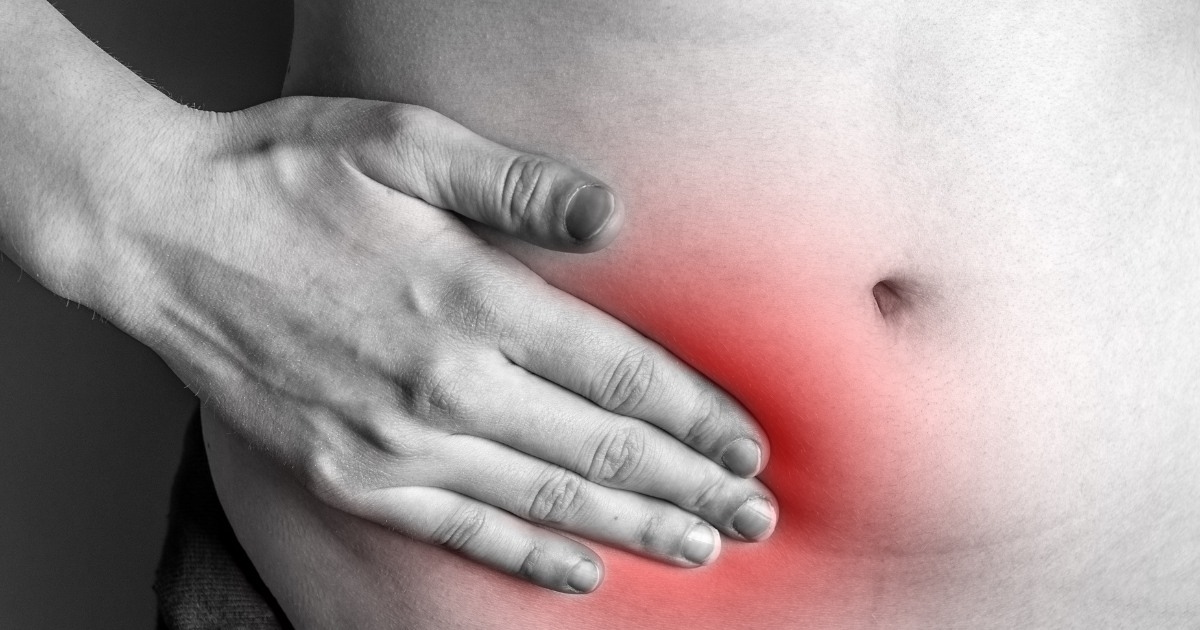
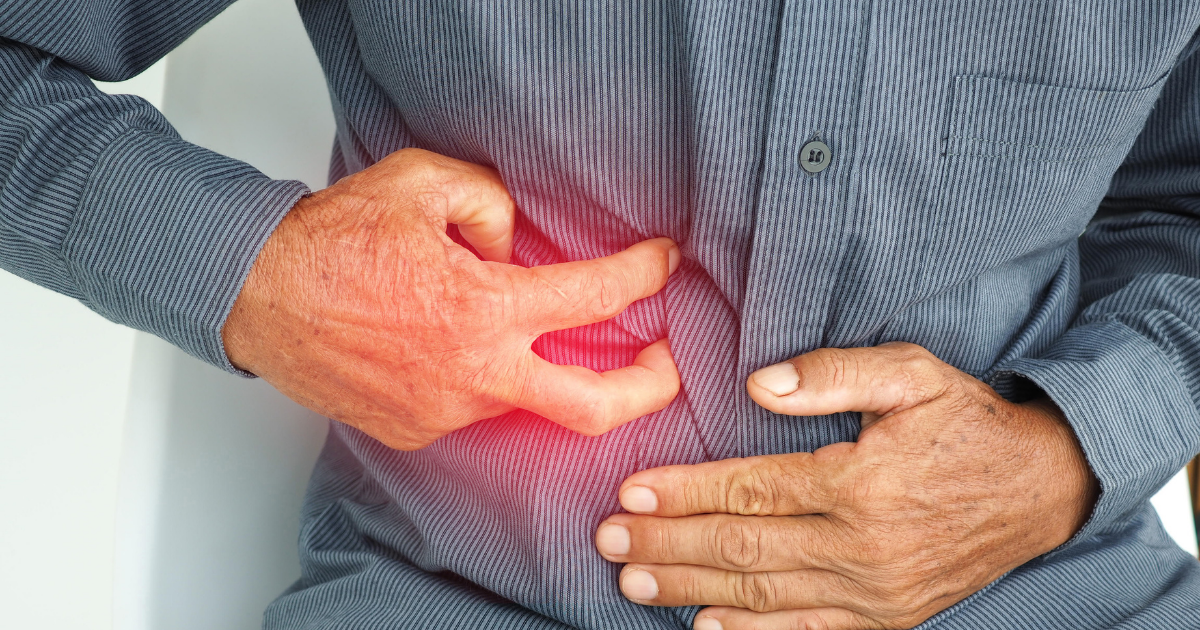
- Sudden, intense pain in the upper right abdomen, or in the center of the abdomen just below the breastbone
- Pain radiating to the right shoulder or to the area between the shoulder blades
- Attacks beginning 30 to 60 minutes after a fatty or heavy meal
- Episodes lasting anywhere from 15 minutes to several hours
- Nausea, and in some cases vomiting, during an attack
- Pain resolving on its own, followed by complete relief until the next episode
If your pain is sharp, right-sided, triggered by food, and coming in waves, it is one of the clearest indications your gallbladder may be involved.
What Causes Gallbladder Problems?
Here are the conditions most commonly responsible for gallbladder trouble, along with the factors that make them more likely.
Gallstones (The Most Common Cause)
Gallstones form when bile (the digestive fluid your liver produces and your gallbladder stores) becomes overly concentrated with cholesterol or bilirubin and hardens into crystals or stones.
Most gallstones cause no symptoms at all and are discovered by accident during imaging for an unrelated issue. The trouble begins when a stone blocks the bile duct and sets off a painful attack.
Cholecystitis
Cholecystitis is inflammation of the gallbladder, usually caused by a gallstone lodging in the neck of the gallbladder. Unlike biliary colic, the pain of cholecystitis is persistent rather than episodic. It’s also accompanied by fever and tenderness when the abdomen is pressed.
What Causes Gallstones? Common Risk Factors
While gallstones are not always within your control, certain factors raise your risk:
- Female sex and pregnancy
- Obesity, or rapid weight loss
- Being over the age of 40
- A family history of gallstones
- A diet high in fat and low in fiber
Having one or more of these risk factors doesn’t mean you’ll develop gallstones. However, it’s useful information to share with your doctor if upper abdominal pain becomes a recurring concern.
Gallbladder Pain vs. Other Stomach Pain
Because so many conditions share the same neighborhood, it helps to know how gallbladder pain compares to the usual suspects.
- GERD/Acid Reflux
Acid reflux tends to cause a burning pain in the chest or upper abdomen that worsens when you lie down and eases with antacids. Gallbladder pain is typically sharper, sits more to the right, and doesn’t respond to antacids.
- Pancreatitis
Pancreatic pain is typically described as a deep, boring pain radiating straight to the back. It can be severe and unrelenting, and it usually comes with nausea, vomiting, and fever.
Worth noting: gallstones can trigger pancreatitis, so the two conditions sometimes appear together.
- Appendicitis
Appendix pain typically starts near the belly button and then migrates to the lower right abdomen. Gallbladder symptoms, by contrast, stay in the upper right abdomen. Appendicitis pain also steadily worsens and won’t resolve on its own without treatment.
- Irritable Bowel Syndrome
IBS pain is crampy, tends to sit lower in the abdomen, and usually eases after a bowel movement. Gallbladder pain is sharper, sits in the upper right, and is triggered by fatty food rather than by bowel activity.
When to See a Doctor
If you’re having recurring episodes of upper right abdominal pain, especially after meals, it’s worth seeing a doctor to find out what’s going on. And please seek emergency care right away if you experience:
- Severe, persistent pain lasting more than 6 hours
- A fever above 101°F alongside abdominal pain
- Yellowing of the skin or the whites of the eyes (jaundice)
- Dark urine or very pale stools
These symptoms can signal a bile duct obstruction, cholecystitis, or a related complication, and deserve prompt attention.
Diagnosis and Treatment
Diagnosing gallbladder problems usually starts with imaging. Ultrasound is the primary tool for detecting gallstones, as it’s quick, painless, and highly effective at spotting stones. In more complex cases, a CT scan or a HIDA scan may be used to take a closer look at how the gallbladder is functioning.
Blood tests often accompany imaging to check for infection, assess liver function, and identify signs of jaundice.
When gallstones symptoms keep returning, the most common treatment is a laparoscopic cholecystectomy: the surgical removal of the gallbladder through a minimally invasive procedure with a short recovery time.
In most cases, a gastroenterologist coordinates the initial evaluation and refers you to a surgeon when removal is the right next step.
Frequently Asked Questions
Where is gallbladder pain located?
Gallbladder pain is usually felt in the upper right part of the abdomen or in the center of the abdomen just below the breastbone. It often radiates to the right shoulder or to the area between the shoulder blades, which helps distinguish it from other kinds of stomach pain.
What does gallbladder pain feel like?
It typically feels like a sudden, intense pain that begins 30 to 60 minutes after a fatty meal and lasts from 15 minutes to several hours. Many people also feel nauseated or vomit during an attack. The pain then fades on its own until the next episode.
What causes gallstones?
Gallstones form when bile becomes too concentrated with cholesterol or bilirubin and hardens into stones. Risk factors include being female, pregnancy, obesity or rapid weight loss, being over 40, a family history, and a high-fat, low-fiber diet.
What’s the difference between gallstones and cholecystitis?
Gallstones cause episodic pain that comes and goes, while cholecystitis is inflammation of the gallbladder that causes constant pain along with fever and tenderness. Cholecystitis is a more urgent condition and needs prompt medical care.
Don’t Wait Out Pain Which Keeps Coming Back
Upper abdominal pain that returns after meals typically indicates your gallbladder needs attention rather than a problem that will resolve on its own. If the pattern described here feels familiar, a gastroenterologist can evaluate your symptoms, order the appropriate imaging, and help you understand exactly what’s happening and what to do next.
PACT Gastroenterology in Connecticut evaluates gallbladder symptoms, digestive pain, and a full range of GI conditions. Schedule a consultation today.