
Sleep Apnea Care in Connecticut
Evaluation and Care for Disrupted Sleep and Breathing
Sleep apnea is a condition that affects breathing during sleep. These disruptions may recur throughout the night and interfere with normal rest, even if you are not aware of them.
PACT Pulmonology provides sleep apnea care in Connecticut, offering evaluation and diagnosis for patients experiencing ongoing sleep-related symptoms.
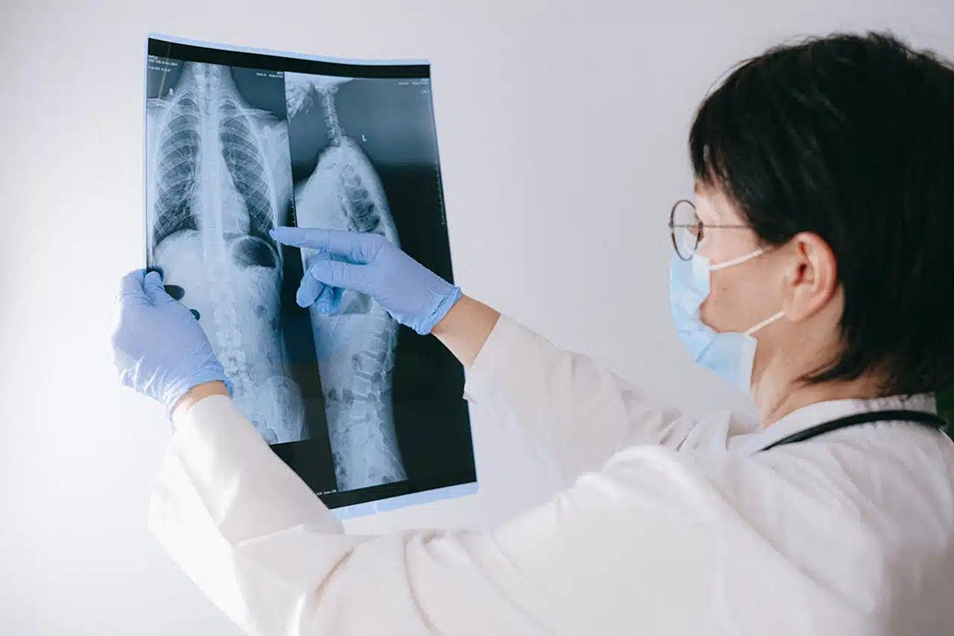
What Is Sleep Apnea?
Sleep apnea occurs when breathing is interrupted during sleep due to a blocked or narrowed airway. The most common type, obstructive sleep apnea, is caused by the airway closing or becoming restricted.
These interruptions can happen many times per night and may prevent you from reaching deeper, restorative stages of sleep.
Common Signs and Symptoms
Sleep apnea symptoms often present as patterns of sleep disruption or daytime fatigue.
- Loud or frequent snoring
- Pauses in breathing during sleep
- Waking suddenly during the night
- Daytime sleepiness or low energy
- Morning headaches
- Difficulty staying focused
These symptoms may vary in severity and can affect daily routine and alertness.
Causes and Risk Factors of Sleep Apnea
Sleep apnea is often linked to physical and lifestyle factors that affect how your airway functions during sleep.
Airway Structure
Narrow airways or enlarged tissues in the throat may increase the likelihood of obstruction during sleep.
Weight and Body Composition
Excess weight can place additional pressure on the airway.
Age and Muscle Changes
As muscle tone changes over time, the airway may be more likely to collapse during sleep.
Family History
Genetic factors may increase the likelihood of developing sleep apnea.
Lifestyle Factors
Alcohol use, smoking, and sleep position may affect breathing during sleep.
Why Diagnosis Matters
Sleep apnea is often overlooked because symptoms occur during sleep or develop gradually.
Without evaluation, disrupted sleep may continue to affect energy levels, concentration, and daily performance. Identifying the condition provides a clearer picture of what may be affecting your sleep.
How Sleep Apnea Is Diagnosed
Diagnosis focuses on evaluating sleep patterns and identifying breathing disruptions.
- Review of symptoms, sleep habits, and medical history
- Sleep study to monitor breathing, oxygen levels, and sleep cycles
- Additional evaluation when needed based on findings
These results are used to determine whether sleep apnea is present and how it may be affecting your sleep.
Treatment Options and Follow-Up Care
Airway Support Devices
Devices such as CPAP are commonly used to keep the airway open by providing steady airflow during sleep.
Oral Appliance Options
Custom-fit devices may be used to adjust jaw position and improve airflow for certain patients.
Sleep and Lifestyle Adjustments
Changes such as adjusting sleep position, managing weight, and reducing alcohol use may improve breathing patterns during sleep.
Ongoing Follow-Up Care
Regular check-ins allow your clinician to monitor symptoms, review progress, and make adjustments as needed.

Request Sleep Apnea Evaluation
Connect with a PACT clinician to review your symptoms and determine whether sleep testing may be appropriate.
Frequently Asked Questions
What are the most common symptoms of sleep apnea?
Frequent snoring, pauses in breathing during sleep, and daytime fatigue are among the most commonly reported symptoms.
Can sleep apnea happen without snoring?
Yes. While snoring is common, some people with sleep apnea may not snore at all, especially in milder cases.
How serious is sleep apnea if left untreated?
How is sleep apnea diagnosed?
Diagnosis typically involves an overnight sleep study that monitors breathing, oxygen levels, and sleep patterns.
Do I need treatment if my symptoms are mild?
Even mild symptoms may affect sleep quality. A clinician can determine whether treatment or monitoring is appropriate based on your results.