
Pulmonary Function Testing in Connecticut
A pulmonary function test measures how well your lungs are working and helps identify the cause of breathing concerns. If you are experiencing shortness of breath, a persistent cough, or changes in your breathing, this testing can provide clear answers and guide next steps.
PACT offers pulmonary function testing in Connecticut as part of a broader approach to pulmonary care, helping patients move from symptoms to diagnosis and treatment.
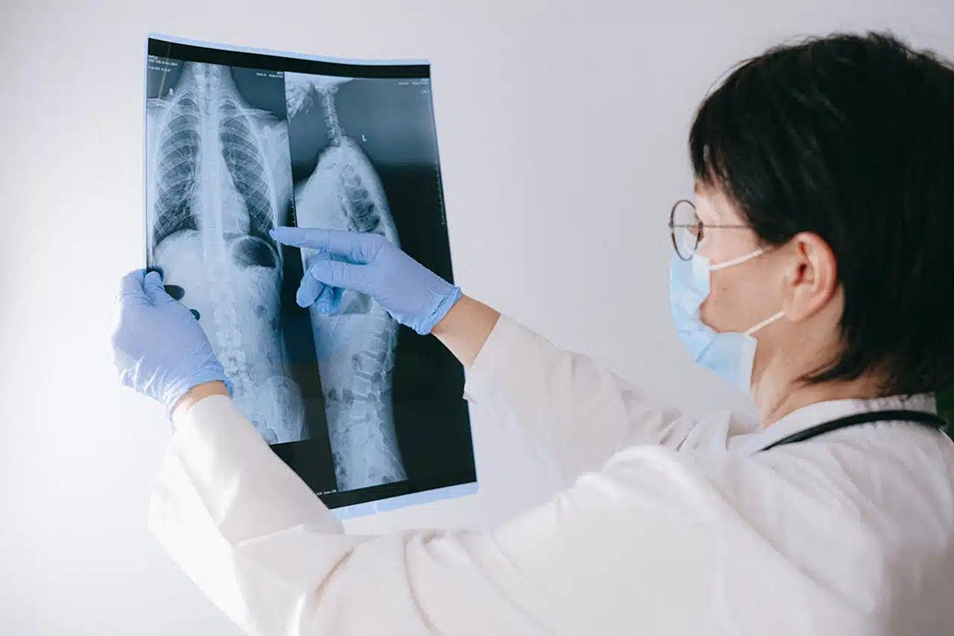
What Is a Pulmonary Function Test?
Pulmonary function testing is a group of non-invasive tests that assess how air moves in and out of your lungs and how effectively your lungs deliver oxygen to your body.
These tests provide detailed information about lung performance, including:
- Airflow and lung volume
- Gas exchange and oxygen levels
- How your lungs respond during breathing
Results help identify patterns that may point to specific respiratory conditions.
What Pulmonary Function Testing Evaluates
Pulmonary function testing provides insight into how your lungs are functioning and where breathing issues may be occurring.
Airflow and Breathing Patterns
Assess how air moves in and out of your lungs and identify patterns that may be linked to conditions such as asthma or COPD.
Lung Volume and Capacity
Measure how much air your lungs can hold and how effectively they expand and contract during normal breathing.
Obstructive and Restrictive Patterns
Identify whether airflow is limited or lung expansion is reduced, which can point to different types of lung conditions.
Changes Over Time
Track lung function across visits to monitor progression and evaluate how your condition responds to treatment.
This information helps your clinician better understand your symptoms and determine whether further evaluation or treatment may be needed.
When You May Need Pulmonary Function Testing
Ongoing Shortness of Breath
If you feel winded during routine activities or notice a change in your breathing, testing can help identify the cause.
Persistent or Unexplained Cough
A cough that does not go away or has no clear cause may require further evaluation to assess underlying lung function.
Wheezing or Chest Tightness
Wheezing and tightness may be linked to airway changes that can be evaluated through pulmonary testing.
Monitoring a Known Lung Condition
If you have been diagnosed with asthma, COPD, or another lung condition, testing can track changes and guide care.
Before or After Starting Treatment
Pulmonary function testing can be used to establish a baseline and measure how well treatments are working over time.
Pre-Surgical or Routine Evaluation
In some cases, testing is recommended before surgery or as part of a broader health assessment to evaluate lung function.

What to Expect During a Pulmonary Function Test
Pulmonary function testing is straightforward and non-invasive.
Your clinician will guide you through each step and explain what to do.
Initial Setup
You will be seated and fitted with a mouthpiece. A technician will explain how to breathe during the test.
Breathing Exercises
You will follow a series of guided breathing patterns, including deep breaths and controlled exhalations, to measure lung performance.
Multiple Measurements
The test may be repeated several times to confirm consistent results and provide an accurate assessment of your lung function.
Additional Testing if Needed
In some cases, additional measurements may be taken to evaluate how your lungs respond under different conditions.
Short and Controlled Testing Time
Most pulmonary function tests are completed within a short visit and do not require any recovery time.
Guidance Throughout the Process
A trained technician will be with you during the test to provide instructions and help you stay comfortable.
How to Prepare for Pulmonary Function Testing
Preparing for a pulmonary function test is simple. A few steps can improve the accuracy of your results.
- Follow instructions about medications. You may be asked to pause certain inhalers.
- Avoid heavy meals before testing.
- Wear loose, comfortable clothing.
- Do not smoke for several hours before your appointment.
- Avoid strenuous activity right before testing.
- Arrive on time for check-in and preparation.
These steps support a smooth testing process and provide clear results for your clinician to review.
Understanding Your Results and Next Steps
Test results are reviewed alongside your symptoms and medical history to give a clear picture of your lung health. Your clinician will explain what they mean and outline the next steps in your care.
Why Choose PACT for Pulmonary Function Testing
Testing Connected to Ongoing Care
Results are reviewed within the context of your overall health, not treated as a stand-alone test.
Experienced Pulmonary Team
Testing is supported by clinicians who specialize in evaluating and managing lung conditions.
Clear Explanation of Your Results
You receive guidance on what your results mean and how they may shape your care moving forward.
Convenient Access
With locations in Connecticut, patients can complete testing and follow-up care close to home.
Request Pulmonary Function Testing
Schedule pulmonary function testing with PACT and take the next step in understanding your breathing concerns.
Frequently Asked Questions
What does a pulmonary function test measure?
Pulmonary function testing measures how air moves in and out of your lungs, how much air your lungs can hold, and how efficiently oxygen is transferred into your bloodstream.
How long does a pulmonary function test take?
Most tests are completed within 30 to 60 minutes, depending on the type of testing and the number of measurements needed.
Is pulmonary function testing painful?
No. The test is non-invasive and does not involve needles or procedures that cause pain. You may be asked to breathe in specific ways, which can feel unusual but is not harmful.
What do pulmonary function test results mean?
Results show how your lungs are functioning and may indicate patterns related to specific conditions. Your clinician will review the findings and explain what they mean for your care.
Is pulmonary function testing covered by insurance?
Coverage varies by insurance plan and medical necessity. It is recommended to check with your insurance provider or review PACT’s insurance information page for more information.