
PACT Primary Care
Thyroid Condition Care in Connecticut
The thyroid gland plays a significant role in how your body uses energy. When it produces too little or too much hormone, it can affect your weight, mood, heart rate, energy, and more, commonly in ways that are easy to mistake for everyday stress or aging.
PACT Primary Care evaluates and manages thyroid conditions in Connecticut. We provide on-site labs and in-house endocrinology to guide testing, treatment, and long-term follow-up.
Accepting New Patients

What Is a Thyroid Condition?
A thyroid condition occurs when the thyroid gland produces too much or too little thyroid hormone, or when growths such as nodules develop within the gland. Because the thyroid hormone helps regulate metabolism throughout the body, even small imbalances can affect how you feel day to day.
Many thyroid conditions develop gradually and can be managed effectively once identified. Care plans usually focus on confirming the diagnosis with lab testing, restoring healthy hormone levels, and monitoring over time.
Thyroid Conditions We Manage
PACT Primary Care manages a range of thyroid conditions. We coordinate with endocrinology when specialized care is needed.
- Hypothyroidism: an underactive thyroid that produces too little hormone
- Hyperthyroidism: an overactive thyroid that produces too much hormone
- Hashimoto’s Thyroiditis: an autoimmune condition and a common cause of hypothyroidism
- Thyroid Nodules: lumps or growths within the thyroid that may need monitoring or further evaluation
- Goiter: enlargement of the thyroid gland
- Abnormal Thyroid Lab Results: including borderline or unexpected findings that need follow-up
Confirming which condition is present helps guide the right testing and treatment plan.
What Are the Symptoms of a Thyroid Problem?
An underactive and an overactive thyroid pull the body in opposite directions, which means what one person experiences can look nothing like the next.
When the thyroid is underactive (hypothyroidism), the body tends to slow down. You might notice:
- Persistent fatigue or sluggishness
- Unexpected weight gain
- Sensitivity to cold
- Dry skin or thinning hair
- Constipation
- Low mood or mental fog
- A slower-than-usual heartbeat
On the other hand, symptoms of an overactive thyroid (hyperthyroidism) are:
- Weight loss without trying
- A racing or irregular heartbeat
- Anxiety, restlessness, or irritability
- Difficulty sleeping
- Excess sweating or discomfort in the heat
- Trembling hands
- More frequent bowel movements
Experiencing a few of these doesn’t automatically mean your thyroid is to blame. A simple blood test can help reveal a clear answer.
Hypothyroidism vs. Hyperthyroidism
| Hypothyroidism (Underactive) | Hyperthyroidism (Overactive) | |
|---|---|---|
| Hormone level | Too little thyroid hormone | Too much thyroid hormone |
| Metabolism | Slowed | Accelerated |
| Energy | Fatigue, sluggishness | Restlessness, difficulty sleeping |
| Weight | Weight gain | Weight loss |
| Temperature | Cold intolerance | Heat intolerance, sweating |
| Heart rate | Slower than usual | Faster or irregular |
| Mood | Low mood, brain fog | Anxiety, irritability |
| Common cause | Hashimoto's thyroiditis | Hashimoto's thyroiditis |
How Thyroid Conditions Are Diagnosed at PACT
Thyroid conditions are diagnosed through a combination of symptom history, physical examination, and laboratory testing. Because bloodwork is central to both diagnosis and monitoring, on-site labs allow PACT to initiate testing during your visit and follow results closely over time.
Your clinician may review or order:
- A TSH test, the most sensitive initial screening test for thyroid function
- A full thyroid panel, including Free T4 and, when indicated, Free T3, to assess hormone levels directly
- Thyroid antibody testing to identify autoimmune causes such as Hashimoto’s or Graves’ disease
- A detailed symptom and medication history, since certain medications and supplements can affect thyroid results
- A physical examination of the neck to assess for enlargement, tenderness, or nodules
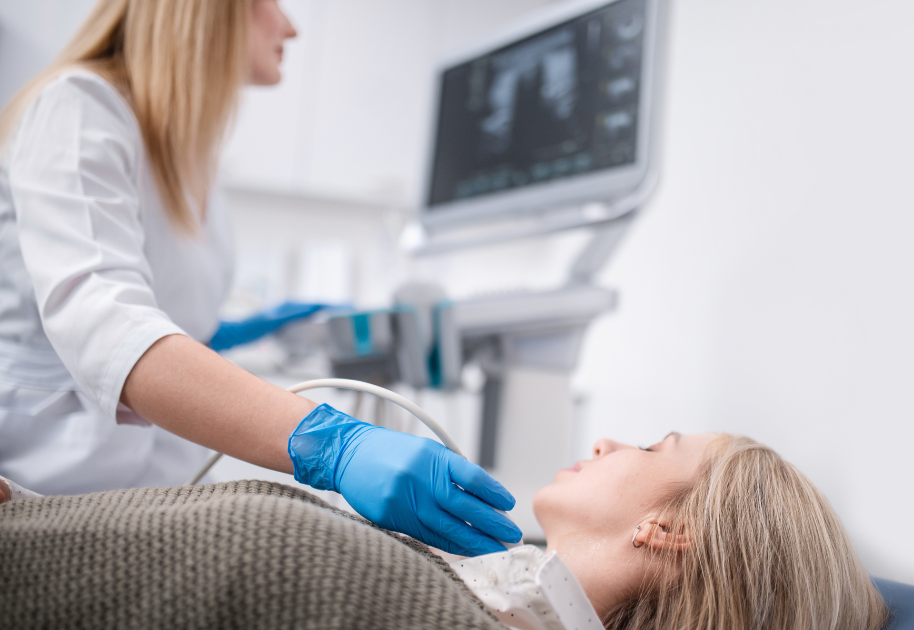
- Thyroid ultrasound or additional imaging when nodules, swelling, or structural changes are found
Interpreting these results together, rather than in isolation, is what allows a clinician to distinguish a true thyroid disorder from a temporary or unrelated fluctuation and to guide treatment accordingly.
Thyroid Treatment & Monitoring at PACT
The goal of thyroid treatment is to restore hormone levels to a healthy range and maintain the balance over time. Since the thyroid responds gradually to treatment, our care plan typically involves an initial adjustment period followed by long-term monitoring.
Treatment for Hypothyroidism
An underactive thyroid is commonly treated with daily thyroid hormone replacement, such as levothyroxine, which restores the hormone the body is no longer producing in adequate amounts. Dosing is individualized and guided by follow-up lab results.
Treatment for Hyperthyroidism
An overactive thyroid may be managed with medications that reduce hormone production, and often benefits from endocrinology involvement to evaluate the underlying cause and determine whether additional treatment options are appropriate.
Medication Management & Adjustment
Thyroid medication frequently requires careful titration. Because hormone levels shift slowly, small dosing changes are typically confirmed with repeat testing before further adjustments are made.
Ongoing Monitoring
Thyroid levels are generally rechecked approximately 6 to 8 weeks after starting or adjusting medication, then at regular intervals once stable, often annually. On-site labs make this ongoing monitoring efficient and convenient.
Nodule & Autoimmune Follow-Up
Thyroid nodules and autoimmune conditions such as Hashimoto’s require periodic reassessment. Monitoring may include repeat labs, surveillance imaging, or coordination with endocrinology when findings change over time.
In-House Endocrinology & Specialist Coordination
Many thyroid conditions can be managed effectively within primary care. When a condition is more complex or requires specialized evaluation, PACT offers in-house endocrinology, allowing care to remain coordinated within a single connected team rather than fragmented across separate practices.
Endocrinology involvement may be beneficial for:
- Complex, unstable, or difficult-to-control thyroid conditions
- Thyroid nodules that require further characterization or biopsy
- Hyperthyroidism that may need advanced treatment
- Autoimmune thyroid disease with ongoing or evolving complications
- Thyroid management during pregnancy or family planning, when hormone targets are especially important
Your primary care clinician and endocrinologist work within one connected network and share the same records at every step.
When to See a Thyroid Doctor in Connecticut
A primary care visit is typically the appropriate first step for thyroid symptoms or abnormal lab results. You may benefit from a thyroid evaluation if you have:
- Persistent fatigue, weight changes, or mood changes without a clear explanation
- A rapid heartbeat, tremors, or ongoing heat intolerance
- A visible lump or swelling in the neck
- A personal or family history of thyroid or autoimmune disease
- Abnormal thyroid results from a previous or routine test
- Symptoms that persist despite current thyroid treatment
When to seek urgent or emergency care:
Certain thyroid-related symptoms require immediate evaluation. Severe manifestations, such as chest pain, a very rapid or irregular heartbeat, high fever with agitation or confusion, or sudden severe weakness, can indicate a thyroid emergency and should be assessed right away at urgent care or the emergency room.
Why Choose PACT for Thyroid Care in Connecticut?
In-House Endocrinology
PACT offers dedicated endocrinology care. We allow thyroid and hormone conditions to be managed by specialists within the same connected network when subspecialty expertise is needed.
On-Site Labs
With laboratory testing available on-site, both initial thyroid testing and ongoing monitoring bloodwork can be completed without a separate visit or facility.
Coordinated Follow-Up
Thyroid care is rarely a single appointment. PACT supports structured long-term monitoring, medication adjustment, and clear communication between primary care and endocrinology.
Part of a Larger Care Network
As part of the broader PACT network, your thyroid care connects seamlessly with primary care, endocrinology, and other specialties to support a complete and continuous picture of your health.
Convenient Connecticut Locations
Patients can access thyroid care across the greater New Haven area, including New Haven, Cheshire, West Haven, Guilford, Wallingford, and Milford.
Request Thyroid Care
If you are experiencing symptoms such as ongoing fatigue, weight changes, or a rapid heartbeat, or you have received an abnormal thyroid test result, PACT Primary Care can review your symptoms, arrange appropriate testing, and guide your next steps. You can also use our MyChartPLUS patieent portal to view your lab results, message your team, and stay on top of follow-up appointments anytime.
Frequently Asked Questions
What are the symptoms of a thyroid problem?
Symptoms depend on whether the thyroid is underactive or overactive. An underactive thyroid tends to cause fatigue, weight gain, cold sensitivity, and low mood, while an overactive thyroid tends to cause weight loss, a rapid heartbeat, anxiety, and heat intolerance. Because these symptoms are nonspecific, a blood test is used to confirm the cause.
How is a thyroid condition diagnosed?
Diagnosis begins with a TSH blood test, often alongside a full thyroid panel, combined with a review of symptoms and a physical exam. Additional tests, such as thyroid antibody testing or an ultrasound, may be added when autoimmune disease, nodules, or gland enlargement are suspected.
What is the difference between hypothyroidism and hyperthyroidism?
Hypothyroidism is an underactive thyroid that produces too little hormone, slowing metabolism and often causing fatigue and weight gain. Hyperthyroidism is an overactive thyroid that produces too much hormone, accelerating metabolism and often causing weight loss and a rapid heartbeat.
How are thyroid disorders treated?
Treatment depends on the condition. Hypothyroidism is typically treated with daily thyroid hormone replacement, while hyperthyroidism may be managed with medications that reduce hormone production and, in some cases, additional therapies. Regular lab monitoring helps keep hormone levels balanced over time.
What is a thyroid nodule, and should I be concerned?
A thyroid nodule is a growth within the gland. The majority are benign, but some warrant monitoring, imaging, or a biopsy to confirm they are not a concern. Your clinician will recommend follow-up based on the nodule’s size and characteristics.
How often do thyroid levels need to be checked?
Levels are usually rechecked about 6 to 8 weeks after starting or changing medication, then at regular intervals, often annually, once stable. Your clinician will set a schedule based on your condition and treatment.
Can thyroid conditions be managed long-term?
Yes. Most thyroid conditions are well controlled with appropriate medication and monitoring, though many require ongoing treatment and periodic lab checks to maintain stable hormone levels.
Related Conditions & Services
Explore related care:
Endocrinology

Diabetes Management

High Blood Pressure

Cholesterol Management

Preventive & Wellness Care