PACT Primary Care
High Blood Pressure (Hypertension) Care in Connecticut
High blood pressure is notorious for developing silently, without obvious symptoms. In fact, many people searching for high blood pressure symptoms are surprised to learn that hypertension may cause no noticeable warning signs at all. Left unmanaged, it can raise the risk of heart disease, stroke, kidney problems, and other complications over time.
At PACT Primary Care, we offer high blood pressure treatment in Connecticut, including diagnosis, medication management, lifestyle guidance, and long-term monitoring to help keep your numbers in a healthy range.
Accepting New Patients

What Is High Blood Pressure (Hypertension)?
Blood pressure is the force of blood pushing against the walls of your arteries. When this pressure stays too high over time, it is called hypertension.
High blood pressure makes your heart and blood vessels work harder than they should. Because it usually causes no noticeable symptoms in its early stages, many people do not know they have it until it is measured during a routine visit. Regular checks and consistent management are the most reliable ways to protect your long-term health.
High Blood Pressure Symptoms & Signs
Many people with high blood pressure feel completely normal, which is exactly why regular monitoring is important. Once high blood pressure symptoms start appearing, it may mean blood pressure has become significantly elevated.
Possible signs some people may notice include:
- Headaches
- Dizziness or lightheadedness
- Blurred or changing vision
- Shortness of breath
- Chest discomfort
- Fatigue
- Nosebleeds
Since these symptoms are not specific to blood pressure, they can be easy to overlook or attribute to something else. If you are unsure of your numbers, a simple reading at a primary care visit can provide clarity.

When Should I See a Doctor for Blood Pressure?
It is a good idea to see a hypertension doctor near you if you have not had your blood pressure checked recently, if a home reading is consistently elevated, or if high blood pressure runs in your family. You should schedule a visit if:
- Home readings are repeatedly at or above 130/80
- You have a family history of hypertension, heart disease, or stroke
- You have diabetes, kidney disease, or high cholesterol
- You are starting or adjusting blood pressure medication
When to Seek Urgent or Emergency Care
Certain readings and symptoms need immediate attention. Call 911 or go to the nearest emergency room if you have a blood pressure reading of 180/120 or higher along with symptoms such as chest pain, difficulty breathing, severe headache, weakness or numbness, vision loss, or trouble speaking. These can be signs of a hypertensive crisis and should not be ignored.
In case your numbers spike but you feel well, a same-day sick visit with PACT may be the right next step. Call your nearest location before it becomes an emergency.
Blood Pressure Ranges
Understanding where your numbers fall can help you and your clinician decide on next steps. Blood pressure is measured as systolic (top number) over diastolic (bottom number).
A single high reading does not always mean you have hypertension. Blood pressure naturally varies throughout the day. Your clinician will look at readings over time to make an accurate diagnosis.
Causes & Risk Factors
For most people, high blood pressure develops from a combination of factors rather than a single cause. In some cases, another medical condition or medication contributes to elevated readings.
Common risk factors may include:
- Family history: Hypertension often runs in families.
- Age: Risk increases as people get older.
- Weight and activity level: Excess weight and inactivity can raise blood pressure.
- Diet: High sodium intake and low potassium may play a role.
- Alcohol and tobacco use: Both can contribute to higher readings.
- Chronic conditions: Diabetes, kidney disease, and high cholesterol are closely linked to hypertension.
- Stress and sleep: Ongoing stress and poor sleep may affect blood pressure over time.
Having risk factors does not guarantee you will develop hypertension, and many contributing factors can be improved with the right plan.
How We Diagnose Hypertension
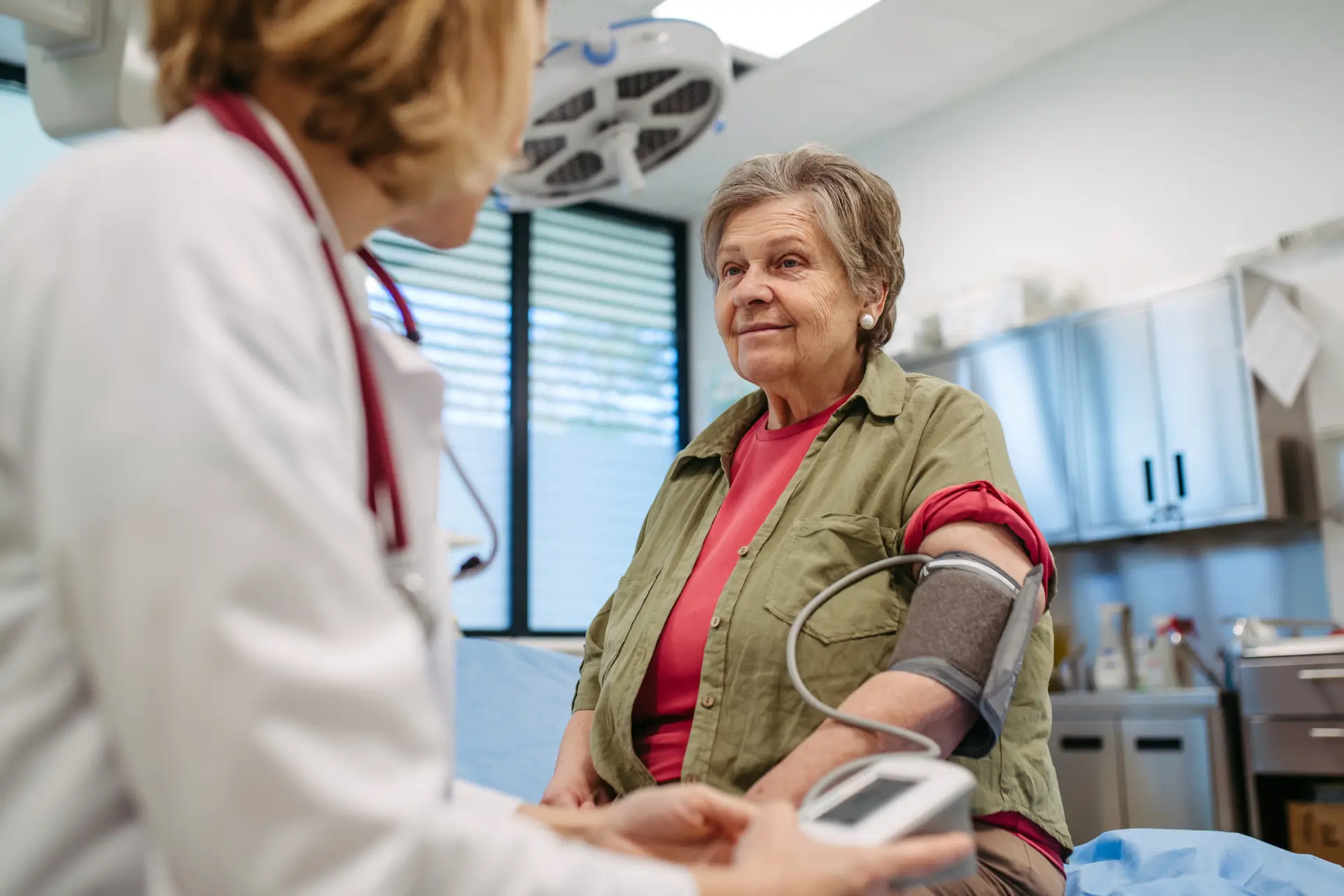
PACT Primary Care looks at your readings over time and the bigger picture of your health.
Your hypertension evaluation may include:
- In-office blood pressure readings, sometimes repeated across visits
- Review of home readings, symptoms, and family history
- In-house lab work to check kidney function, blood sugar, cholesterol, and related markers
- Screening for conditions that can contribute to or result from high blood pressure
- A recommended monitoring schedule based on your numbers and risk level
Thanks to our in-house labs, much of your workup can happen efficiently, without the back-and-forth of outside referrals for routine testing.
Hypertension Treatment Options at PACT
Lifestyle-First Approach
For elevated or early-stage readings, your clinician may start with changes to diet, physical activity, sleep, and stress management before, or alongside, medication.
Medication Management
Several types of blood pressure medications are available, and the right choice depends on your numbers and any other conditions you have. We will explain the options, monitor how you respond, and adjust as needed.
Managing Related Conditions
Because hypertension often travels with diabetes, high cholesterol, and thyroid issues, PACT coordinates care across these conditions, so your treatment plan works together.
Care for Complex Cases
When blood pressure is difficult to control or linked to kidney concerns, PACT can coordinate with cardiology-adjacent and nephrology specialists within the broader network for more complex evaluation.
Same-Day Support for Spikes
If your readings suddenly climb, our same-day sick-visit access lets you be seen quickly. We make sure the spike can be addressed before it becomes an emergency.

Risks of Untreated High Blood Pressure
While high blood pressure is very manageable, leaving it unaddressed over time can strain the body. Sustained hypertension is associated with a higher risk of heart disease, stroke, kidney damage, vision problems, and other complications.
The encouraging part is that these risks drop significantly with steady, ongoing management. Consistent follow-up and high blood pressure treatment keep the condition in check, and your primary care team is here to guide you every step of the way.
Ongoing Management & Monitoring
Hypertension is best managed as an ongoing partnership rather than a one-time fix. Regular follow-up helps your clinician see how your treatment is working and make adjustments before small changes become bigger problems.
Your ongoing care may include:
- Periodic in-office and at-home blood pressure checks
- Routine lab work to monitor related health markers
- Medication reviews and adjustments as needed
- Coordination with specialists if other organs are involved
- Convenient follow-up and messaging through MyChartPLUS
Looking for blood pressure management near you? PACT Primary Care provides ongoing care across Greater New Haven. As your coordinating hub, PACT Primary Care keeps the full picture of your health in view and helps connect the dots across every part of your care.
Simple Lifestyle Tips for Healthy Blood Pressure
Small, consistent habits can have a meaningful impact on your numbers:
- Reduce sodium and choose fresh, whole foods
- Stay physically active most days of the week
- Maintain a healthy weight
- Limit alcohol and avoid tobacco
- Prioritize consistent, quality sleep
- Manage stress with strategies that work for you
- Take medications as prescribed and track your readings at home
Your clinician can help you turn these general tips into a practical plan that fits your daily life.
Why Choose PACT for Hypertension Treatment in Connecticut?
Ongoing Chronic-Disease Management
PACT specializes in long-term management of conditions like hypertension, diabetes, and high cholesterol, with a care model created around consistent follow-up.
In-House Labs and Efficient Testing
Our on-site lab work allows you to get answers with fewer outside trips for routine monitoring.
Same-Day Sick Visits
When your blood pressure spikes or you feel unwell, we offer same-day availability to help you get seen quickly.
Connected Care Across Connecticut
For complex cases, PACT can coordinate with nephrology and cardiology-adjacent specialists within the broader network.
Serving Greater New Haven
Our patients can access primary care and hypertension management in New Haven, Cheshire, West Haven, Guilford, Wallingford, Milford, and nearby Connecticut communities.
Request High Blood Pressure Care
Managing high blood pressure is easier with a primary care team that knows you and your health history. If your readings are elevated, you have risk factors, or it is simply time for a check-up, request a visit with PACT Primary Care.
Frequently Asked Questions
What are the symptoms of high blood pressure?
High blood pressure typically has no symptoms, which is why regular checks are important. When symptoms appear, they may include headaches, dizziness, blurred vision, shortness of breath, chest discomfort, or nosebleeds.
What is a dangerous blood pressure level?
A reading of 180/120 or higher is considered a hypertensive crisis. If it occurs with chest pain, shortness of breath, severe headache, or vision or speech changes, call 911 immediately.
How is high blood pressure treated?
High blood pressure treatment usually combines lifestyle changes, such as diet, exercise, and reduced sodium, with medication when needed. Your clinician will monitor your response over time and adjust your plan to keep your numbers in a healthy range.
Can high blood pressure be reversed?
In some cases, especially with elevated or early-stage hypertension, blood pressure can return to a healthier range through lifestyle changes. For others, it is a long-term condition that is well managed with ongoing treatment and monitoring.
When should I see a doctor for blood pressure?
See a primary care clinician if home readings are consistently at or above 130/80, if hypertension runs in your family, or if you have related conditions like diabetes or high cholesterol. Seek emergency care for readings of 180/120 or higher with symptoms.
Does PACT provide high blood pressure care in Connecticut?
Yes. PACT Primary Care provides hypertension treatment in Connecticut, including diagnosis, lifestyle guidance, medication management, and ongoing blood pressure monitoring across the Greater New Haven area.
Related Conditions & Services

Diabetes Management

High Cholesterol

Thyroid Conditions
Preventive & Wellness Care

Same-Day Sick Visits