Key Takeaways
- Lupus affects women about nine times more often than men, yet it takes an average of nearly six years to diagnose.
- The most common early signs of lupus in females are extreme fatigue, joint pain, and the butterfly-shaped rash across the cheeks and nose.
- Lupus is hard to diagnose because it mimics other conditions, its symptoms come and go, and no single test confirms it.
- If you have three or more of these symptoms, especially if they come and go, ask for a referral to a rheumatologist.
- Lupus is manageable with the right diagnosis, and earlier care leads to better long-term outcomes.
If you have been exhausted for months, your joints ache for no clear reason, or a rash keeps appearing on your face, you are not imagining it, and you are not alone. Lupus affects women at a rate about nine times higher than men, yet it takes an average of nearly six years to diagnose. Many women are told everything looks normal, sometimes by several doctors, before they finally reach a rheumatologist and get answers. This post is for you. We will walk through the early signs of lupus in females, explain why lupus is so difficult to diagnose, and help you understand when it is time to see a specialist. None of this replaces a medical evaluation, but it can help you know what to watch for and what to ask.
What Is Lupus?
Lupus is a chronic autoimmune disease in which the immune system mistakenly attacks the body’s own healthy tissues, causing inflammation in the joints, skin, kidneys, heart, and other organs. Its full name is systemic lupus erythematosus, or SLE, which is the most common and most serious form. Lupus is not contagious, and it is not caused by anything you did or any lifestyle choice. It is also not one single condition; lupus takes several forms, and symptoms range from mild to life-threatening. Because it can affect so many parts of the body, lupus symptoms in women are easily mistaken for other problems, which is part of why answers take so long. The Lupus Foundation of America is a helpful starting point for background and support.
Early Signs of Lupus in Women
Lupus rarely announces itself. The early signs of lupus in females tend to be subtle; they come and go, and each one on its own can look like something else. Here are the warning signs worth paying attention to, especially when several show up together.
Extreme, Unexplained Fatigue
This is the most common and most overlooked early sign. It is not ordinary tiredness; it is a deep fatigue that does not improve with rest and interferes with daily life. It is often written off as stress or depression.
Joint Pain, Stiffness, and Swelling
Lupus commonly affects the smaller joints, such as the fingers, wrists, and knees, and it tends to be symmetric, showing up on both sides of the body. Morning stiffness is common. Unlike rheumatoid arthritis, lasting joint damage is less common in the early stages.
The Butterfly Rash (Malar Rash)
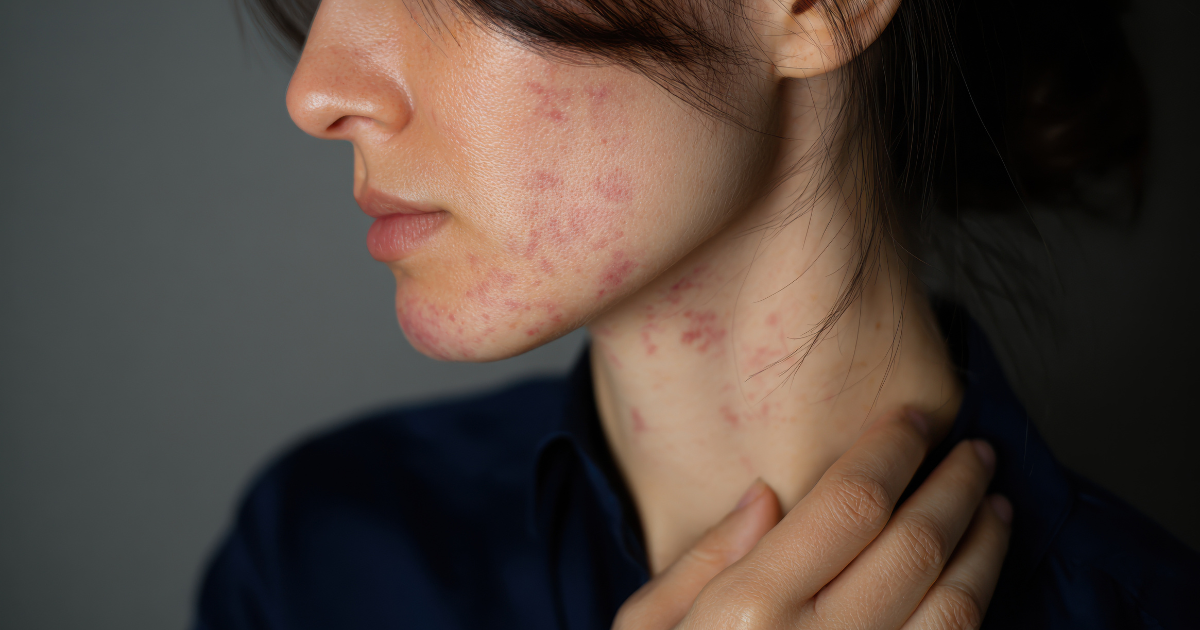
The most recognizable sign of lupus is the butterfly rash, also called a malar rash: a red rash that spreads across both cheeks and the bridge of the nose in the shape of a butterfly. It is usually flat or slightly raised, may feel warm, and appears in about half of people with lupus. Sun exposure often triggers or worsens it. If you are wondering what a lupus rash looks like, this is the classic pattern.
Photosensitivity (Sensitivity to Sunlight)
Many people with lupus are sensitive to the sun, and exposure can trigger or worsen both skin rashes and whole-body symptoms. This photosensitivity is one of the features that can help point toward a diagnosis.
Hair Thinning or Hair Loss
Lupus can cause patches of hair loss or general thinning. For many women, this is one of the earliest and most distressing symptoms.
Mouth or Nose Sores
Painless sores inside the mouth or nose, often on the roof of the mouth, are a frequent lupus sign. Because they usually do not hurt, they are easy to miss or blame on stress.
Unexplained Fever
Low-grade fevers, usually below 101 degrees, that come and go without an obvious cause are a common early sign. They are often mistaken for a recurring virus.
Chest Pain or Shortness of Breath
Lupus can inflame the lining around the lungs, called pleurisy, or around the heart, called pericarditis, which can cause sharp chest pain or trouble breathing. Please seek medical attention promptly if you have these symptoms.
Kidney Problems (Often Silent)
Lupus can inflame the kidneys, a condition called lupus nephritis, often with no obvious symptoms early on. Blood or protein in the urine may show up on routine lab work before you feel anything at all, which is one reason regular checkups matter.
Why Is Lupus So Hard to Diagnose?
Lupus is often called a great imitator because it mimics dozens of other conditions. Its symptoms come and go in cycles known as flares and remissions, so you may feel unwell one month and fine the next. On top of that, no single test confirms lupus. A diagnosis usually requires putting together a combination of symptoms, physical findings, and lab results over time, which is a big reason the average time to diagnosis is nearly six years. It is also important to know that women of color, particularly Black women, are both more likely to develop lupus and more likely to face delays in diagnosis. If you feel you are being dismissed, it is reasonable to keep asking questions and to request a referral. As the Centers for Disease Control and Prevention notes, the earlier lupus is found, the better it can be treated and managed.
When Should a Woman See a Rheumatologist?
If you are experiencing three or more of the signs above, especially if they come and go, it is worth asking your primary care clinician for a referral to a rheumatologist. It is a good idea to seek a rheumatology evaluation if you have:
- Persistent joint pain, especially when it affects both sides of the body
- Unexplained rashes that get worse in the sun
- Fatigue that does not resolve with rest
- Abnormal blood work, such as a low white blood cell count, low platelets, or a positive ANA test
- A family history of lupus or another autoimmune disease
A rheumatologist is the specialist trained to connect these dots. At PACT Rheumatology, the focus is on a thorough evaluation over time rather than a single test, so you get a clear answer and a plan built around your symptoms.
Frequently Asked Questions
What are the early signs of lupus in women?
The most common early signs of lupus in females are extreme fatigue that does not improve with rest, joint pain and stiffness that affects both sides of the body, and a butterfly-shaped rash across the cheeks and nose. Other early signs include sun sensitivity, hair thinning, mouth or nose sores, and low-grade fevers that come and go.
What does a lupus rash look like?
The classic lupus rash, called a malar or butterfly rash, is a red rash that spreads across both cheeks and over the bridge of the nose in a butterfly shape. It is usually flat or slightly raised, can feel warm, and often appears or worsens after sun exposure. It affects about half of people with lupus.
Is there a single test for lupus?
No. There is no single test that confirms lupus. A rheumatologist diagnoses it by combining your symptoms, a physical exam, and lab tests such as the ANA test over time. This is one reason lupus can take years to diagnose.
When should I see a rheumatologist for lupus symptoms?
Consider seeing a rheumatologist if you have three or more lupus symptoms, especially if they come and go, or if you have unexplained rashes, symmetric joint pain, ongoing fatigue, or abnormal blood work. A family history of lupus or autoimmune disease is another good reason to be evaluated.
You Know Your Body: Trust It
Here is the encouraging part: with the right diagnosis and treatment, lupus is manageable, and early care makes a real difference in long-term outcomes. If something in your body has felt wrong and you have not gotten answers, trust that instinct. PACT Rheumatology specializes in diagnosing and managing lupus and other autoimmune conditions for women across Connecticut. If these symptoms sound familiar, schedule a consultation today.