Key Takeaways
- The hallmark diverticulitis symptom is pain in the lower left abdomen that comes on suddenly, becomes constant, and worsens over hours rather than coming in waves.
- Diverticulosis means having small pouches in the colon wall, which is extremely common with age and usually harmless; diverticulitis means those pouches have become inflamed or infected, and that needs medical attention.
- Fever is the symptom that separates diverticulitis from look-alikes such as IBS, which causes crampy pain that comes and goes but never a fever.
- Go to the ER for severe worsening pain, fever above 101°F with significant abdominal pain, a rigid abdomen, significant rectal bleeding, or inability to keep fluids down.
- Mild episodes are often treatable at home, but every suspected first episode deserves a medical evaluation rather than waiting it out.
- A colonoscopy is typically recommended after recovery to assess the colon and rule out other conditions, which PACT Gastroenterology coordinates across Connecticut.
Diverticulitis has a distinctive presentation that, once you know it, is hard to mistake. The problem is that most people have never heard of it until the night it happens to them. Sudden lower abdominal pain arrives, and the questions start: wait it out, call the doctor, or go to the ER?
It’s a common 2 a.m. dilemma. According to the NIDDK, about 200,000 people are hospitalized for diverticulitis in the United States each year, and many more are treated at home. This post explains exactly what diverticulitis feels like, where the pain sits, how it differs from the conditions it resembles, and precisely when it’s time to act.
In this post, you’ll learn:
- The difference between diverticulosis and diverticulitis, and why it matters
- What diverticulitis pain feels like and where it’s located
- How to tell it apart from IBS, appendicitis, and gynecological pain
- A clear ER-versus-doctor decision guide, and what treatment involves
What Is Diverticulitis?
Two similar words, two very different situations. Diverticulosis means small pouches (diverticula) have formed in the walls of the colon, and it’s usually silent; most people never know they have it. Diverticulitis means one or more of those pouches have become inflamed or infected, and that’s the painful condition this post is about.
Having the pouches is largely a fact of aging. NIDDK data shows diverticulosis affects more than 30% of U.S. adults between 50 and 59 and more than 70% of those over 80. The reassuring context: fewer than 5% of people with diverticulosis ever develop diverticulitis. So the pouches themselves aren’t a diagnosis to fear. Inflammation is the event that requires medical attention.
What Does Diverticulitis Feel Like?
Here’s the presentation, broken into the questions patients actually ask.
Where Is Diverticulitis Pain Located?
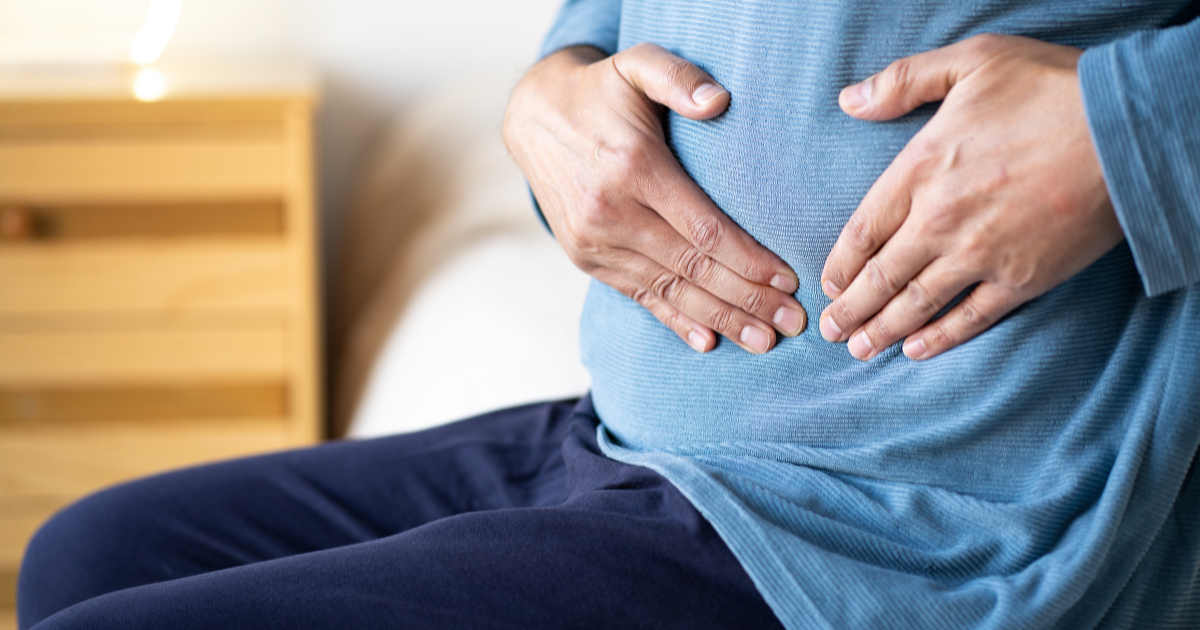
Diverticulitis pain is most commonly felt in the lower left abdomen. That’s the territory of the sigmoid colon, where diverticula most often form, and both NIDDK and MedlinePlus identify the left lower abdomen as the classic location. Some people feel it lower center, and less commonly in the lower right, a pattern seen more often in people of Asian descent, in whom right-sided diverticula are more common.
How Does Diverticulitis Pain Start?
The pain usually comes on suddenly. It may feel crampy at first before settling into a constant ache that intensifies over hours, rather than coming in waves. Two features are telling: it doesn’t typically improve after a bowel movement, and it doesn’t take breaks. Occasionally, the pain starts mild and builds over several days instead.
How Severe Is Diverticulitis Pain?
It ranges. Mild episodes are uncomfortable but manageable, and many are treated at home. Severe episodes can require hospitalization for IV antibiotics or, in complicated cases, surgery. Most first episodes fall in the mild-to-moderate range, but the pain is usually significant enough that people seek care, and they should.
What Other Symptoms Come With It?
Pain rarely travels alone in diverticulitis. Watch for:
- Fever, often low-grade at first and rising if the infection worsens, sometimes with chills
- Nausea, and sometimes vomiting
- Constipation or diarrhea, and some people notice a change in bowel habits in the days before an attack
- Bloating and loss of appetite
That combination, constant lower left pain plus fever plus bowel changes, is the signature worth remembering.
Diverticulitis vs. Other Causes of Abdominal Pain
Lower abdominal pain has several frequent flyers. Here’s how diverticulitis compares to the three it’s most often confused with:
| Diverticulitis | IBS | Appendicitis | Gynecological Pain | |
| Pain location | Lower left | Varies, often diffuse | Starts near belly button, moves to the lower right | Lower pelvis, either side |
| Pain pattern | Constant, worsens over hours | Crampy, comes and goes | Steady, worsening | Varies with cause and cycle |
| Relieved by bowel movement | No | Often yes | No | No |
| Fever | Yes, often | No | Yes, often | Usually no |
| Bowel symptoms | Constipation or diarrhea | Central feature | Sometimes | Usually absent |
Three takeaways from the table. IBS pain comes and goes and is often relieved by a bowel movement, and IBS never causes fever, so fever plus constant pain points away from IBS. Appendicitis classically starts near the belly button and migrates to the lower right, the mirror image of diverticulitis, and both need prompt evaluation. And in women, lower pelvic pain can come from ovarian cysts and other gynecological sources; the presence of fever and bowel symptoms is what tilts the picture toward diverticulitis. None of these distinctions replace an exam, but they help you describe your symptoms well when you call.
When to Go to the ER vs. When to Call Your Doctor
This is the decision that matters at 2 a.m., so here it is as plainly as we can make it.
Go to the emergency room immediately for:
- Severe pain that is worsening rapidly
- Fever above 101°F with significant abdominal pain
- A rigid, board-like abdomen, which can indicate a perforation
- Significant rectal bleeding
- Fainting, lightheadedness, or inability to keep fluids down
Call your GI doctor, primary care provider, or urgent care for:
- Mild-to-moderate lower left abdominal pain with a low-grade fever
- Symptoms that began within the last 24 hours and are not rapidly worsening
- A previous diverticulitis diagnosis with a similar, familiar symptom pattern
When in doubt between the two lists, err toward the ER. A perforated diverticulum is a surgical emergency, and the warning signs above, especially the rigid abdomen, are not symptoms to sleep on. For everything milder, same-week evaluation with your PACT primary care provider or a GI specialist is the right move; suspected first episodes should be confirmed by a doctor rather than self-diagnosed, because the look-alikes above are treated very differently.
How Is Diverticulitis Treated?
Mild diverticulitis is usually managed at home: rest, a clear liquid or soft, low-fiber diet during the acute phase, and often a course of antibiotics, though in some uncomplicated cases providers now manage it without them. Eating returns to normal gradually as the inflammation settles. Severe cases require hospitalization for IV antibiotics and bowel rest, and a minority of complicated cases need surgery.
One step patients shouldn’t skip: after recovery, a colonoscopy is typically recommended, often around 6 to 8 weeks later, to assess the extent of diverticular disease and rule out other conditions. It’s the follow-up that turns one episode into a complete picture.
Why Connecticut Patients Choose PACT Gastroenterology
Abdominal pain is frightening precisely because the possibilities range from passing to serious, and sorting them is a specialist’s daily work.
PACT Gastroenterology brings to that evaluation:
- Board-certified gastroenterologists who diagnose and manage diverticular disease, from first episodes to recurrent cases
- Five Connecticut offices in Hamden, Guilford, Milford, and Bridgeport
- Coordinated care across PACT’s network, including surgical consultation for complicated cases and the follow-up colonoscopy after recovery
- MyChartPLUS messaging for questions during recovery
Experiencing abdominal pain that might be diverticulitis? PACT Gastroenterology can help with evaluation, treatment, and follow-up care across Connecticut. Schedule an appointment today.
FAQs: Diverticulitis Symptoms
What does diverticulitis feel like?
Diverticulitis typically feels like sudden pain in the lower left abdomen that becomes constant and worsens over hours, often with fever, nausea, and a change in bowel habits. Unlike cramps, the pain doesn’t come in waves and isn’t relieved by a bowel movement. Many patients describe it as unlike any stomachache they’ve had before.
Where is diverticulitis pain located?
Diverticulitis pain is most often located in the lower left abdomen, where the sigmoid colon sits and diverticula most commonly form. Some people feel it in the lower center of the abdomen, and less commonly on the lower right, a pattern more frequent in people of Asian descent.
When should I go to the ER for diverticulitis?
Go to the ER for severe or rapidly worsening abdominal pain, fever above 101°F with significant pain, a rigid or board-like abdomen, significant rectal bleeding, or inability to keep fluids down. These can signal complications such as perforation. Milder lower left pain with low-grade fever warrants a prompt call to your doctor instead.
What is the difference between diverticulosis and diverticulitis?
Diverticulosis means small pouches have formed in the colon wall; it’s very common with age, usually causes no symptoms, and needs no urgent treatment. Diverticulitis means those pouches have become inflamed or infected, causing pain, fever, and bowel changes. Fewer than 5% of people with diverticulosis ever develop diverticulitis.
Can diverticulitis go away on its own?
Mild inflammation sometimes settles with rest and a liquid diet, but there’s no safe way to confirm at home that an episode is mild, and untreated diverticulitis can progress to abscess or perforation. Every suspected first episode deserves medical evaluation, and known patients should follow the plan their GI doctor has given them.
How is diverticulitis treated?
Mild cases are treated at home with rest, a clear liquid or low-fiber diet during the acute phase, and often antibiotics, with eating returning to normal gradually. Severe cases need hospitalization for IV antibiotics and sometimes surgery. After recovery, a colonoscopy is typically recommended to evaluate the colon and rule out other conditions.