
Key Takeaways
- IBS symptoms in women are commonly underdiagnosed or mistaken for other conditions, leaving many women without a clear answer for years.
- The core IBS symptoms include abdominal pain and cramping, bloating, and shifting bowel habits such as diarrhea, constipation, or a mix of both.
- IBS tends to look different in women, with more constipation, heavier bloating, and flare-ups tied to the menstrual cycle.
- There is no single test for IBS; diagnosis relies on the Rome IV criteria alongside ruling out other conditions.
- IBS is managed rather than cured, and the right IBS treatment plan brings most people meaningful relief.
Living with an unpredictable digestive system is exhausting in a way few people understand unless they’ve been through it themselves. Perhaps you’ve rearranged your day around bathroom access, skipped meals before events, or kept a mental list of “safe” foods seeming to shrink every month.
Roughly two out of three people eventually diagnosed with irritable bowel syndrome experience symptoms like bloating, cramping, and urgent bowel movements long before anyone names the cause. Women, in particular, are typically told it’s just stress, hormones, or something they’ll grow out of.
The purpose of this guide is to help you recognize IBS symptoms, understand why irritable bowel syndrome behaves differently in women’s bodies, and figure out whether it’s time to talk to a gastroenterologist.
What is IBS?
Irritable bowel syndrome is a functional gastrointestinal disorder. The word “functional” means your bowel isn’t damaged or scarred, but it isn’t operating the way it should.
IBS affects the large intestine and produces a cluster of symptoms, including abdominal pain, bloating, and shifting bowel habits.
One thing worth clearing up right away: IBS is not the same as IBD, or inflammatory bowel disease. Unlike Crohn’s disease or ulcerative colitis, IBS does not cause inflammation or lasting intestinal damage. It is real, and it is disruptive, but it is a different condition entirely.
IBS Symptoms in Women
Any single IBS symptom in women can look ordinary on its own. It’s when they cluster together and keep coming back that a pattern starts to emerge. These are the signs worth paying attention to.
Abdominal Pain and Cramping
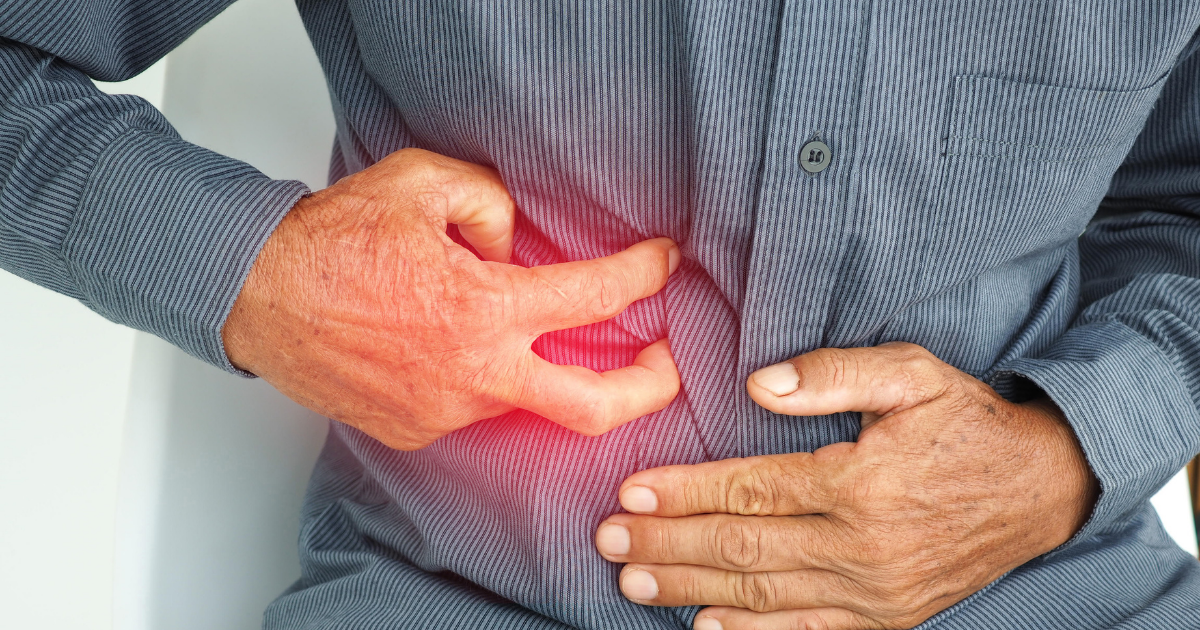
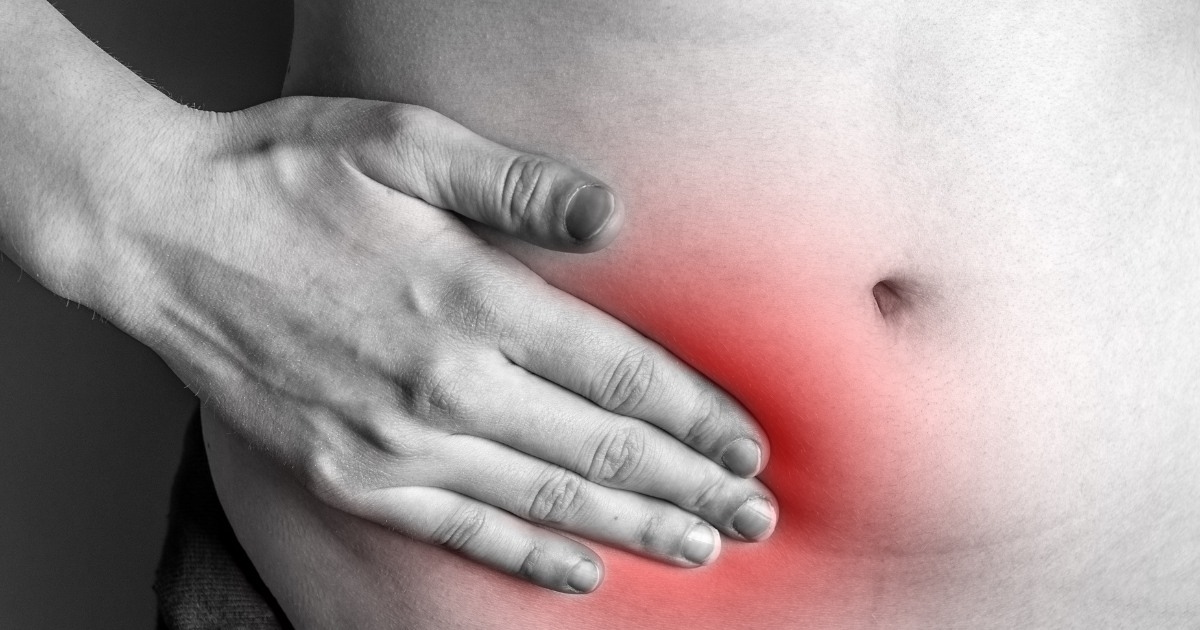
Abdominal pain and cramping are usually the hallmark symptom. The pain usually settles in the lower abdomen and may ease, at least for a little while, after a bowel movement. It can range from a mild ache to sharp, doubling-over cramps.
Bloating and Gas
Persistent or recurring bloating is one of the most common irritable bowel syndrome symptoms, and it tends to worsen after meals. Many women describe waking up flat and looking visibly distended by evening, sometimes enough to change how their clothes fit.
Diarrhea, Constipation, or Both
IBS is grouped into subtypes: IBS-D (diarrhea-predominant), IBS-C (constipation-predominant), and IBS-M (mixed). Bowel habits can be genuinely unpredictable, swinging between loose stools and constipation with little warning.
Urgency
A sudden pressing need to reach a bathroom is common. Over time, this can gradually reshape your everyday life, limit social plans, and create anxiety about being too far from a restroom.
Mucus in Stool
Spotting whitish mucus in your bowel movements can feel alarming, but it’s a known feature of IBS, not a sign of bleeding or anything more serious.
How IBS Differs in Women
Women are more likely to have constipation-predominant IBS and to report more intense bloating than men. Additionally, the symptoms tend to rise and fall with the menstrual cycle, frequently peaking in the days just before and during a period.
IBS also overlaps significantly with endometriosis, which can make an accurate diagnosis harder to reach. If your gut symptoms track with your cycle, the connection is worth mentioning to your doctor.
What Triggers IBS?
Figuring out what triggers IBS is typically personal detective work. While there’s no universal list, a few culprits come up repeatedly:
Food
Food is one of the most common triggers. High-FODMAP items such as wheat, dairy, onions, garlic, and legumes are frequent offenders, as are fatty foods and caffeine. These items are harder for a sensitive gut to process.
Stress and Anxiety
The gut and brain are in constant conversation through the gut-brain axis. Periods of stress or anxiety can directly stir up digestive symptoms, which is one reason flare-ups tend to line up with busy or difficult stretches of life.
Hormonal Shifts
The natural rise and fall of hormones across the menstrual cycle can influence how the bowel behaves. Many women notice their symptoms intensify in the days before and during their period.
How You Eat
Sometimes the issue is not only what you eat, but how. Large portions or eating too quickly can overwhelm the digestive system and bring on discomfort, even with otherwise well-tolerated foods.
A Prior Gut Infection
For some people, IBS begins after a bout of food poisoning or a stomach bug. When symptoms take hold following an infection, it is known as post-infectious IBS.
Since triggers vary so widely from person to person, keeping a simple food-and-symptom journal is one of the most useful tools you can bring to an appointment. Over a few weeks, it can reveal patterns neither you nor your doctor would spot otherwise.
How is IBS Diagnosed?
Reaching an IBS diagnosis is less about a single moment of confirmation and more about recognizing a pattern. A gastroenterologist works from the Rome IV criteria, which look for a specific symptom pattern: recurring abdominal pain at least one day per week over the past three months, tied to changes in how frequently you go or in the appearance of your stool.
Just as importantly, other conditions are ruled out along the way.
A typical workup may include:
- A detailed symptom history
- Blood tests, such as a CBC, CRP, thyroid panel, and celiac antibodies
- Stool tests to rule out infection or inflammation
- A colonoscopy if red flag symptoms are present, such as blood in the stool, unexplained weight loss, a family history of colon cancer, or symptoms starting after age 50
Each step brings you closer to a confident diagnosis and, ultimately, a treatment plan based on your specific symptoms.
IBS Treatment Options That Help
IBS is managed, rather than cured. Many people see lasting improvement once they find the right combination of approaches. Here’s how PACT’s gastroenterology team treats IBS.
Dietary Changes
For many women, adjusting what they eat is the single most effective step in managing IBS. A structured low-FODMAP diet is the most studied approach. It temporarily removes fermentable carbohydrates found in foods like wheat, dairy, onions, and legumes, then reintroduces them one at a time so you can pinpoint your specific triggers.
Stress Management
Cognitive behavioral therapy (CBT) helps you identify and reframe the thought patterns and stress responses fueling flare-ups, while gut-directed hypnotherapy uses guided relaxation to reduce gut sensitivity and pain. Both are backed by strong clinical evidence.
Medication
Depending on your IBS subtype, a gastroenterologist may recommend targeted medication to manage specific symptoms. Antispasmodics help calm painful cramping, antidiarrheals slow overactive bowels in IBS-D, and laxatives relieve the sluggishness of IBS-C.
Probiotics
Certain probiotic strains can help restore balance to the gut and ease everyday symptoms. For many women, the right strain reduces bloating and helps steady unpredictable bowel habits, though it may take several weeks of consistent use before the benefits become noticeable.
Frequently Asked Questions
Q: What are IBS symptoms in women?
The most common IBS symptoms in women are abdominal pain and cramping in the lower belly, bloating and gas that worsen after meals, and changes in bowel habits, including diarrhea, constipation, or both. Women may also notice urgency, mucus in the stool, and symptoms that flare before or during their period.
Q: How do I know if I have IBS?
IBS is likely worth exploring if you have had recurring abdominal pain at least one day per week over the past three months, along with changes in how frequently you go or in the look of your stool. Only a gastroenterologist can confirm it, since diagnosis involves matching your symptom pattern and ruling out other conditions.
Q: What triggers IBS?
Common triggers include high-FODMAP foods, fatty foods, caffeine, stress and anxiety, hormonal shifts across the menstrual cycle, large or rushed meals, and, in some cases, a previous GI infection. Triggers vary widely, so a food and symptom diary can help you find yours.
Q: Is IBS the same as IBD?
No. IBS is a functional disorder with no structural damage to the bowel, while IBD, such as Crohn’s disease and ulcerative colitis, involves inflammation and intestinal damage. They are separate conditions.
You Know Your Body. Trust It.
IBS is a real, diagnosable condition, not a catch-all label for digestive symptoms no one can explain. When something in your gut has felt off, and you have not received clear answers, honor your instincts. An accurate diagnosis and treatment plan made specifically for your symptoms can help make life with IBS manageable again.
PACT Gastroenterology provides expert diagnosis and management of IBS and other digestive conditions for patients across Connecticut. If these symptoms sound familiar, schedule a consultation today.