Key Takeaways
- Yes, small hemorrhoids often go away on their own within a few days to a week with proper home care.
- Larger hemorrhoids may take several weeks to improve and sometimes require medical treatment.
- Internal and external hemorrhoids can cause different symptoms, including bleeding, pain, itching, and swelling.
- Diet, hydration, and avoiding straining play an important role in recovery.
- Rectal bleeding should always be evaluated by a healthcare clinician.
- A GI specialist can recommend effective treatments if symptoms persist or worsen.
Introduction
Hemorrhoids are one of the most common and least talked about health concerns. They can be uncomfortable, distracting, and embarrassing enough that many people try to manage symptoms quietly or search online before calling a doctor. If that sounds familiar, you are not alone. About three out of four adults experience hemorrhoids at some point.
So, do hemorrhoids go away on their own? Often, yes. Small, mild hemorrhoids frequently resolve within a few days with rest, dietary changes, and consistent home care. However, larger hemorrhoids or symptoms that do not improve within one to two weeks often need medical evaluation and treatment.
Knowing when it is reasonable to watch and wait and when it is time to get checked can help you avoid prolonged discomfort and make sure nothing more serious is being missed. This guide covers hemorrhoid basics, how long they typically last, which home remedies are worth trying, and when to see a GI specialist in Connecticut.
What Are Hemorrhoids?
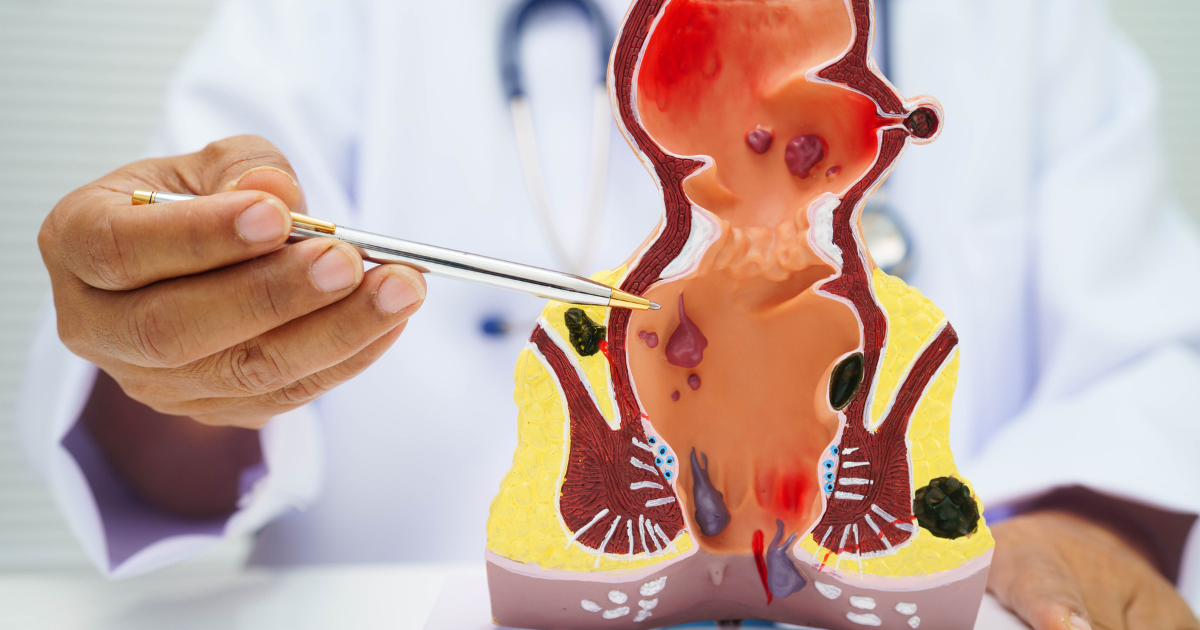
Hemorrhoids are swollen veins in the rectum or around the anus. They are similar to varicose veins, but they develop in a sensitive area where pressure from bowel movements, straining, and constipation can lead to irritation and swelling.
There are a few types to know.
Internal hemorrhoids
Internal hemorrhoids form inside the rectum. They are often not painful, but they can cause bright red bleeding, especially during or after bowel movements. Some internal hemorrhoids can enlarge and bulge outward, which is called prolapse.
External hemorrhoids
External hemorrhoids form under the skin around the anus. They are more likely to cause pain, itching, swelling, and irritation, especially when sitting or during bowel movements.
Thrombosed hemorrhoids
A thrombosed hemorrhoid occurs when a blood clot forms inside an external hemorrhoid. These are often sudden and very painful, and they may require prompt evaluation to discuss the best next step for relief.
Do Hemorrhoids Go Away on Their Own?
Yes, many hemorrhoids do go away on their own, particularly small internal hemorrhoids and mild external hemorrhoids, as long as the irritation and pressure that caused them are reduced.
Typical recovery patterns look like this:
- Small internal hemorrhoids often improve within a few days, especially when constipation and straining are addressed.
- External hemorrhoids may take one to two weeks to settle down.
- Thrombosed hemorrhoids can take two to four weeks to improve. Some clots reabsorb over time, but some people benefit from treatment to reduce pain sooner.
What affects how quickly hemorrhoids resolve?
Size and severity
Mild hemorrhoids are more likely to improve with conservative care. Clinicians often describe internal hemorrhoids by grade:
- Grade 1: swollen but remains inside
- Grade 2: may prolapse during a bowel movement, but go back in on their own
- Grade 3: prolapse and need to be gently pushed back in
- Grade 4: remains prolapsed and cannot be pushed back in
Grades 1 and 2 often improve with home care. Grades 3 and 4 frequently need medical treatment.
Underlying triggers
Hemorrhoids are more likely to linger if common triggers continue, including:
- constipation or hard stools
- straining during bowel movements
- prolonged sitting on the toilet
- low fiber intake
- heavy lifting
- pregnancy
Consistency of home care
People tend to recover faster when they consistently use strategies that reduce pressure on rectal veins, such as fiber, hydration, warm soaks, and avoiding straining.
Presence of complications
Severe inflammation, significant swelling, or clotting can prolong symptoms and increase discomfort. Sudden severe pain is a reason to get checked sooner rather than later.
If hemorrhoids keep returning, it is usually a sign that the underlying cause has not been addressed. That is when a GI evaluation can be especially helpful.
How Long Do Hemorrhoids Last?
How long hemorrhoids last depends on the type and severity, as well as how quickly bowel habits improve.
Small hemorrhoids, often Grade 1 to Grade 2
These often improve within a few days to one week with home care such as increased fiber, hydration, and less straining.
Larger hemorrhoids, often Grade 3 to Grade 4
These can last one to four weeks and may not fully resolve without treatment. Symptoms may wax and wane, but bleeding or prolapse may persist.
Thrombosed hemorrhoids
Thrombosed hemorrhoids often last two to four weeks. Pain is typically most intense early on, then gradually improves. In some cases, a clinician can offer an in-office treatment option to relieve symptoms faster.
Chronic hemorrhoids
If underlying issues such as chronic constipation, pregnancy, obesity, or prolonged sitting continue, hemorrhoids may persist or return repeatedly over months or longer.
If you are doing the right home steps and symptoms are not improving after one to two weeks, it is reasonable to schedule an evaluation.
Hemorrhoid Symptoms to Know
Symptoms can look different depending on whether hemorrhoids are internal or external. Common hemorrhoid symptoms include:
- Bright red blood on toilet paper or in the toilet bowl, more common with internal hemorrhoids
- Pain around the anus is more common with external hemorrhoids
- Itching, burning, or irritation
- Swelling or a lump near the anus, sometimes tender
- A feeling of incomplete emptying after a bowel movement
- Mucus discharge, especially if internal hemorrhoids prolapse
Important reminder about rectal bleeding
Rectal bleeding should never automatically be assumed to be hemorrhoids. Bleeding can also be linked to other gastrointestinal conditions, including colorectal cancer, inflammatory bowel disease, anal fissures, and more. Any rectal bleeding should be evaluated by a healthcare clinician, especially if it is new, persistent, heavy, darker than bright red, or accompanied by pain or other symptoms.
Home Remedies That Actually Help
For mild hemorrhoids, conservative care often reduces symptoms and supports healing. The goal is to make bowel movements easier, reduce pressure on veins, and calm inflammation.
Eat more fiber
Fiber softens stool and reduces straining. Most adults do best aiming for 25 to 35 grams of fiber daily.
High fiber foods include:
- fruits such as berries, pears, apples, and prunes
- vegetables such as broccoli, leafy greens, carrots
- whole grains such as oats, brown rice, and whole wheat
- beans and legumes
If you have trouble reaching your fiber goal through food, a fiber supplement may help. Increase fiber gradually to reduce gas and bloating.
Increase water intake
Hydration helps fiber work better and reduces constipation. Aim for at least eight glasses of water daily, unless your healthcare clinician has advised a different amount due to another medical condition.
Take warm sitz baths
Warm water soaks can relieve discomfort and irritation.
- Sit in warm water for 10 to 15 minutes
- Repeat two or three times per day
- Pat dry gently afterward
Use over-the-counter products for short-term relief
Certain products can help temporarily:
- witch hazel pads for irritation
- hydrocortisone cream for short-term itch relief
- protective ointments to reduce friction
These can help you feel better, but they do not remove larger hemorrhoids.
Avoid straining
Straining increases pressure in the rectal veins and can worsen symptoms. A helpful rule is: if it is not happening, do not force it. If constipation is a frequent issue, ask your clinician what options are appropriate for you.
Limit time on the toilet
Sitting on the toilet for long periods increases pressure on hemorrhoidal veins. Try to keep bathroom time brief and avoid reading or scrolling on your phone.
These measures are supportive and often effective for mild cases. More advanced hemorrhoids may need medical treatment.
When to See a Doctor for Hemorrhoids
Schedule an evaluation if:
- Symptoms persist beyond one to two weeks despite home care
- You have rectal bleeding, especially if it is heavy, recurrent, darker, or accompanied by pain
- Pain becomes sudden and severe, which may indicate a thrombosed hemorrhoid
- This is your first episode of rectal bleeding, or you have never been examined for it
- You notice tissue protruding from the anus, which may indicate prolapsed hemorrhoids or rectal prolapse
Getting checked is not only about symptom relief. It is also about confirming the cause and ruling out other conditions that can look similar.
Medical Treatment Options for Hemorrhoids
If home care is not enough, a GI specialist can discuss treatment options based on your symptoms and the type of hemorrhoid.
Rubber band ligation
A common office procedure for internal hemorrhoids. A small band is placed around the hemorrhoid to cut off its blood supply, causing it to shrink.
Sclerotherapy
A solution is injected into the hemorrhoid to help it shrink over time.
Infrared coagulation
Heat is used to reduce blood flow to the hemorrhoid and promote shrinkage.
Hemorrhoidectomy
Surgical removal may be recommended for severe, persistent hemorrhoids, typically when symptoms do not improve with less invasive options.
Many people are relieved to learn that surgery is not the first step for most cases. Office-based procedures and lifestyle adjustments are often effective.
PACT Gastroenterology evaluates and treats hemorrhoids and a wide range of digestive conditions for patients throughout Connecticut, with a focus on practical next steps and patient comfort.
Hemorrhoid Care at PACT Gastroenterology in Connecticut
Hemorrhoids can be uncomfortable and difficult to talk about, but you do not have to manage symptoms on your own. The GI specialists at PACT Gastroenterology provide evaluation for hemorrhoids, rectal bleeding, and ongoing rectal discomfort, then recommend a treatment plan that matches the severity of symptoms and your overall health.
If symptoms are persistent, recurring, or concerning, scheduling a visit can provide clarity and relief.
Frequently Asked Questions
Can hemorrhoids come back after they go away?
Yes. Hemorrhoids often return if underlying causes such as constipation, low fiber intake, prolonged sitting, or straining are not addressed. Lifestyle changes are the most reliable long-term prevention.
Is it OK to exercise with hemorrhoids?
Light activity is generally fine and can help reduce constipation. Walking is often a good choice during a flare. It is best to avoid heavy lifting and exercises that significantly increase abdominal pressure until symptoms improve.
Are hemorrhoids dangerous?
Most hemorrhoids are not dangerous. However, rectal bleeding should always be evaluated because it can be a symptom of other gastrointestinal conditions, including colorectal cancer. Do not assume bleeding is caused solely by hemorrhoids.
Conclusion and Next Step
Most small hemorrhoids improve on their own with consistent self-care, hydration, and dietary changes. But if symptoms persist, worsen, or include rectal bleeding, it is important to get evaluated rather than guessing.
If hemorrhoid symptoms are interfering with your daily life or you are unsure what is causing rectal discomfort, the GI team at PACT Gastroenterology in Connecticut is here to help. Schedule an appointment through PACT Gastroenterology to discuss your symptoms and learn which treatment options make the most sense for you.