Key Takeaways
- Kidney stones affect both men and women, and rates in women have been increasing over the past several decades.
- Common kidney stone symptoms include severe flank pain, nausea, vomiting, blood in the urine, and painful urination.
- Women may mistake kidney stone symptoms for menstrual cramps, ovarian cysts, urinary tract infections, or other pelvic conditions.
- Fever, chills, severe pain, vomiting, or difficulty urinating require immediate medical attention.
- Most kidney stones form due to dehydration, diet, genetics, infections, or underlying medical conditions.
- Early diagnosis and treatment can help prevent complications and protect kidney function.
Introduction
Kidney stones affect about 1 in 11 Americans and are a common cause of sudden, intense urinary tract pain. While kidney stones were once viewed as a problem that mostly affected men, the gap has narrowed. Kidney stone rates in women have been rising for decades, and more women are experiencing symptoms that disrupt daily life.
One reason kidney stones can be tricky for women is that the symptoms may resemble other common conditions, such as menstrual cramps, ovarian cyst pain, appendicitis, or a urinary tract infection. That overlap can delay diagnosis and allow a stone to cause more irritation, blockage, or infection.
This guide explains kidney stone symptoms in women, what causes stones, how they are diagnosed and treated, and when it is time to see a Connecticut doctor. If you need care, the team at Physicians Alliance of Connecticut can help you get answers and next steps.
Do Kidney Stone Symptoms Differ in Women?
Yes and no.
The core symptoms of kidney stones are similar in women and men. Stones can cause severe flank pain, nausea, vomiting, urinary urgency, and blood in the urine regardless of sex. The difference is that women are often more likely to mistake kidney stone pain for other health issues that commonly cause pelvic or lower abdominal discomfort.
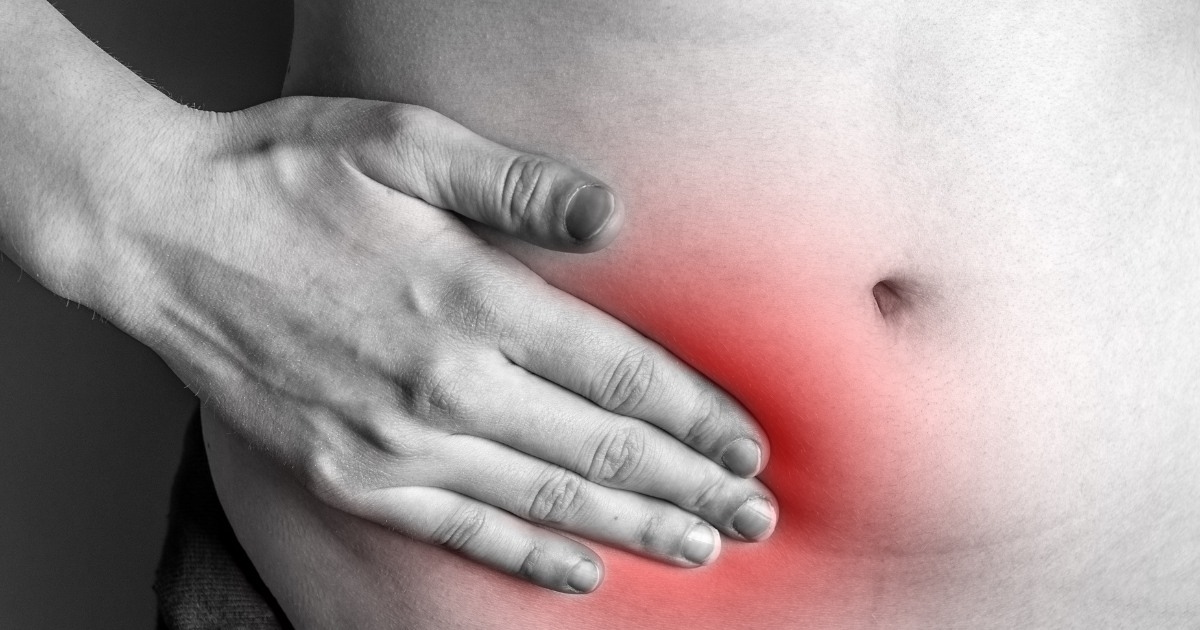
For example, a stone moving into the lower ureter can cause pain that feels like menstrual cramps. Some women assume they have a urinary tract infection because they feel burning with urination or an urgent need to go, even if the infection is not the main problem. Others may worry about gynecologic causes such as ovarian cysts. These misreads are understandable, but they can delay the right evaluation.
Women with a history of frequent UTIs may be especially likely to label symptoms as another infection. The challenge is that kidney stones and UTIs can look similar at first, and they can also occur together. That is why persistent flank pain, blood in the urine, or severe symptoms deserve medical attention rather than guesswork.
Common Kidney Stone Symptoms in Women
Kidney stone symptoms depend on the size of the stone, where it is located, and whether it is blocking urine flow. Some small stones cause mild symptoms, while others create intense pain.
Severe pain in the back, side, or flank
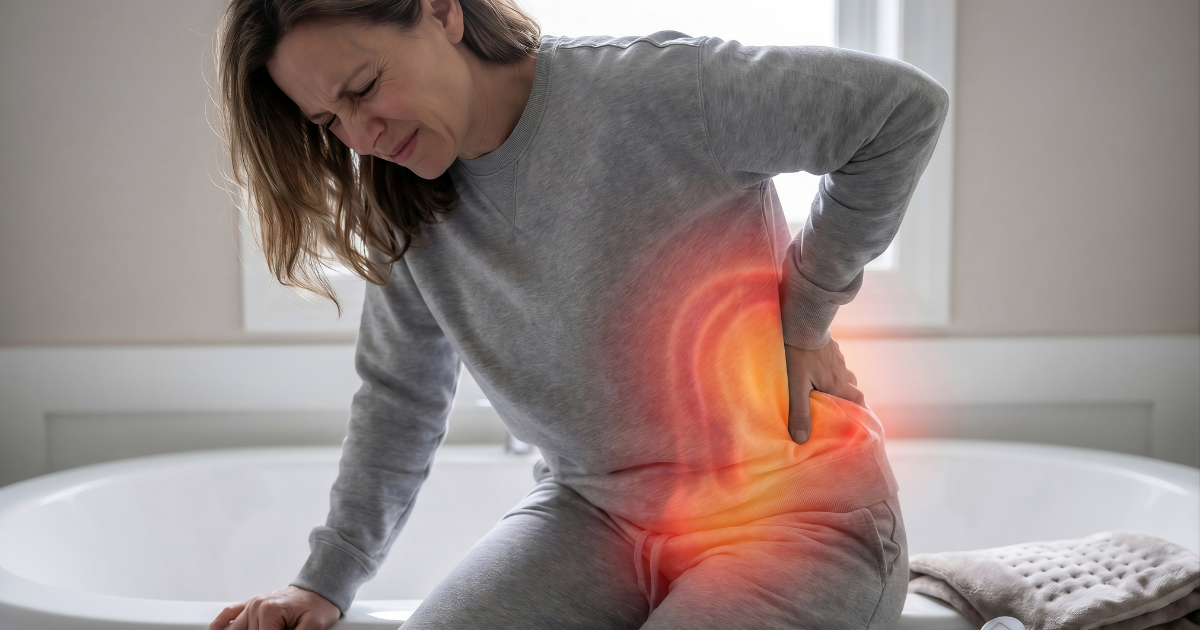
This is the classic kidney stone symptom. The pain often starts suddenly and can become intense within minutes. It is commonly felt between the ribs and the hip, and many patients describe it as one of the worst pains they have ever experienced.
Pain that radiates toward the groin
As a stone moves from the kidney into the ureter, pain may travel from the back to the lower abdomen, groin, or inner thigh. The location can change as the stone progresses.
Pain that comes in waves
Kidney stone pain often fluctuates. You might feel a spike of severe pain, then a short period of relief, followed by another wave. This happens as the ureter spasms and the stone moves.
Nausea and vomiting
Severe pain can trigger nausea and vomiting. Some people cannot eat or drink normally, which can make dehydration worse and increase discomfort.
Blood in the urine
Stones can irritate the lining of the urinary tract and cause bleeding. Urine may look pink, red, brown, or rust colored. Sometimes blood is only seen on a urine test.
Frequent urination or urgency
When a stone is closer to the bladder, you may feel like you need to urinate often, even if only a small amount comes out.
Burning during urination
Pain or burning can occur when the stone irritates the ureter or bladder. This symptom is a common reason women confuse kidney stones with a urinary tract infection.
Cloudy or foul-smelling urine
This can be a sign of infection, especially if accompanied by fever or chills. Infection plus obstruction is an urgent situation.
Symptoms that can be confusing in women
Kidney stone symptoms may mimic other conditions, including pelvic pain similar to ovarian cyst pain, lower abdominal pain that resembles appendicitis, cramps that feel menstrual, or urinary symptoms that resemble a urinary tract infection. If symptoms are persistent, severe, or unusual for you, it is safer to be evaluated.
When Is Kidney Stone Pain an Emergency?
Kidney stone pain becomes an emergency when there are signs of infection, complete blockage, dehydration from vomiting, or uncontrolled pain.
Seek emergency care right away if you experience:
Severe pain that cannot be managed at home
If pain is unbearable or escalating quickly, you need evaluation. Stronger pain control and imaging may be needed to confirm what is happening.
Fever and chills with flank pain
This can signal infection behind an obstructing stone. This is a medical emergency because infection can spread quickly when the urine is blocked.
Inability to keep fluids down
Ongoing vomiting can lead to dehydration and may prevent you from passing the stone safely.
Blood in the urine along with fever
This combination should be treated urgently.
Sudden inability to urinate
A stone can cause a complete blockage. This can damage the kidneys and requires prompt treatment.
If you suspect a kidney stone and you feel very ill, trust your instincts and seek urgent care. It is better to be evaluated quickly than to wait and hope symptoms improve.
What Causes Kidney Stones in Women?
Kidney stones form when minerals and other substances become concentrated in urine and crystallize. Several factors can raise risk.
Dehydration
Not drinking enough fluids is one of the most common contributors. Concentrated urine makes it easier for crystals to form and grow.
High sodium intake
High salt diets increase calcium in the urine, which can promote stone formation.
High oxalate foods
Foods such as spinach, nuts, chocolate, and tea contain oxalate. In people prone to calcium oxalate stones, oxalate can bind with calcium and form crystals.
High animal protein intake
Diets heavy in animal protein can increase stone risk by altering urine chemistry, including raising uric acid.
Family history
Genetics matter. If a close relative has had kidney stones, your risk is higher.
Obesity and metabolic factors
Excess weight can change urine composition and increase the likelihood of stones.
Hormonal changes
Estrogen may have a mild protective effect. After menopause, risk tends to rise, which is one reason stones are increasingly seen in older women.
History of UTIs
Certain bacteria can contribute to struvite stones. These infection-related stones are more common in women.
Certain medications and supplements
Some medications can increase risk, and calcium supplements taken improperly may contribute in certain cases. Your clinician can review your medications and risk factors.
Types of Kidney Stones
Knowing the type of stone helps guide prevention and lowers the chances of recurrence. If you pass a stone, your clinician may recommend collecting it for analysis.
Calcium oxalate stones
The most common type accounts for about 80 percent of stones.
Calcium phosphate stones
Often linked with certain metabolic conditions or urine abnormalities.
Uric acid stones
More common in people with gout and may be associated with diets high in animal protein or certain metabolic conditions.
Struvite stones
Typically associated with UTIs and more common in women.
Cystine stones
Rare and caused by an inherited condition that affects how the kidneys handle certain amino acids.
How Are Kidney Stones Diagnosed and Treated?
Diagnosis
Diagnosis usually starts with a history and physical exam, then testing to confirm a stone and check for infection or kidney stress.
Common diagnostic tools include:
CT scan
CT imaging is fast and highly accurate for identifying stones and pinpointing location and size.
Ultrasound
Ultrasound is often used during pregnancy to avoid radiation and is also used in other patients, depending on the situation.
Urinalysis and urine culture
Urine testing helps identify blood, infection, and other clues.
Blood tests
Blood work can evaluate kidney function and check factors such as calcium or uric acid.
Treatment
Treatment depends on stone size, location, pain level, and whether there is infection or blockage.
Small stones, often under 5 millimeters
Many small stones pass on their own with hydration, symptom control, and time. Your clinician may recommend specific fluid goals and follow-up.
Medications
Pain medication and anti-nausea medication can make symptoms manageable. In some cases, an alpha blocker is used to relax the ureter and help the stone pass.
Lithotripsy
Shock wave lithotripsy uses sound waves to break stones into smaller fragments that can pass more easily.
Ureteroscopy or removal
For larger stones, stuck stones, or ongoing severe symptoms, a kidney specialist may use a scope to locate and remove the stone.
Treatment for infection
If infection is present, antibiotics and urgent management are essential. Infection behind a blockage is not something to treat at home.
Preventing Kidney Stones in Women
Not every kidney stone can be prevented, but many can. Prevention works best when it matches your stone type and risk factors.
Hydrate consistently
Many adults benefit from about 2 to 3 liters of fluid daily. A simple check is urine color. Pale yellow is usually a good sign.
Reduce sodium
Aim to keep sodium under 2,300 milligrams per day. Lower sodium reduces calcium loss into urine.
Be smart about oxalate
If you have had calcium oxalate stones, ask your clinician if you should limit high-oxalate foods. Pairing oxalate foods with calcium-rich foods at meals can help bind oxalate in the gut rather than in the kidneys.
Get calcium from food when possible
Calcium is important for bone health, and getting it from food is generally preferred over excessive supplementation unless your clinician advises otherwise.
Maintain a healthy weight
Weight management supports kidney health and helps reduce recurrence risk.
Discuss preventive medications if stones recur
For frequent stones, medication such as potassium citrate or certain diuretics may reduce recurrence. Your clinician will decide what is appropriate based on labs and stone type.
Kidney Stone Care at PACT in Connecticut
If you are dealing with symptoms that could be kidney stones, PACT clinicians can evaluate you and guide the next steps. Many patients start with Primary Care, especially when symptoms are new or you are not sure what is going on. Depending on your situation, you may also be referred to a Connecticut specialist for additional testing and treatment.
Frequently Asked Questions
Can you have a kidney stone without knowing it?
Yes. Small stones can pass with mild or no symptoms. Stones are also sometimes found incidentally on imaging done for another reason.
How long does it take to pass a kidney stone?
Small stones under 4 millimeters may pass within one to two weeks. Larger stones can take longer, and some do not pass on their own and require treatment.
Are women more likely to get kidney stones than men?
Men have historically had higher rates, but the gap has narrowed significantly. Women account for a much larger share of cases than decades ago, and risk increases after menopause.
Conclusion and CTA
Kidney stones can cause sudden, intense pain and symptoms that are sometimes mistaken for other common conditions affecting women. Recognizing the warning signs early can help prevent complications and lead to faster treatment.
If you are experiencing flank pain, blood in your urine, or symptoms that concern you, do not wait. PACT’s clinicians in Connecticut can evaluate and treat kidney stone symptoms quickly. Schedule an appointment today to discuss your symptoms and treatment options.