
Key Takeaways
- A pulmonologist is a physician who specializes in diagnosing and treating lung and respiratory conditions.
- “Lung doctor” is an informal term that usually refers to a pulmonologist.
- Respiratory therapists are trained healthcare professionals who provide breathing treatments and support, but they are not physicians.
- Pulmonologists treat conditions like COPD, asthma, sleep apnea, pulmonary fibrosis, and lung infections.
- Most pulmonology appointments involve reviewing symptoms, lung function testing, and creating a personalized treatment plan.
Understanding the Different Names for Lung Specialists
If your doctor recently referred you to a “pulmonologist,” you may have immediately started searching online for terms like “lung doctor,” “respiratory specialist,” or “pulmonologists near me.” For many patients, the different titles can feel confusing – especially when you’re already worried about symptoms like shortness of breath, chronic coughing, wheezing, or chest discomfort.
The good news is that these terms are often connected, and understanding them can help you feel more confident about your care. In this guide, we’ll explain what a pulmonologist is, what they treat, and how they differ from other respiratory healthcare clinicians. Whether you’re preparing for your first appointment or simply researching your options in Connecticut, this overview can help you better understand the specialists involved in lung and breathing care.
What Is a Pulmonologist?
A pulmonologist is a physician who specializes in diagnosing and treating diseases of the lungs and respiratory system. Pulmonologists complete medical school, a residency in internal medicine, and additional fellowship training in pulmonary medicine, which typically lasts two to three years.
Because of this advanced training, pulmonologists are experts in conditions that affect breathing and lung function. They evaluate and treat problems involving the:
- Lungs
- Airways, including the bronchi and trachea
- Chest wall
- Diaphragm
- Respiratory muscles
- Sleep-related breathing disorders
Many pulmonologists also specialize in critical care medicine or sleep medicine, allowing them to manage complex breathing disorders that affect overall health and quality of life.
If you’ve been searching for a “pulmonary doctor near me” or wondering, “what does a pulmonologist do?” The answer is simple: they help diagnose, manage, and treat conditions that interfere with healthy breathing.
Lung Doctor vs. Pulmonologist vs. Respiratory Specialist – Are They the Same?
The terms “lung doctor,” “pulmonologist,” and “respiratory specialist” are often used interchangeably, but they do not always mean the same thing. Here’s a breakdown of the differences.
| Title | What They Do | Training |
| Pulmonologist | Diagnoses and treats lung and respiratory diseases, orders imaging and testing, prescribes medication, and performs procedures like bronchoscopy | Medical doctor with specialized pulmonary fellowship training |
| Lung Doctor | Informal term commonly used by patients to describe a pulmonologist | Usually refers to a pulmonologist |
| Respiratory Therapist | Provides breathing treatments, manages ventilators, and supports respiratory care plans | Licensed healthcare professional, not a physician |
| Thoracic Surgeon | Performs surgery on the lungs, chest, and surrounding structures | Surgeon with advanced thoracic surgical training |
Pulmonologist
A pulmonologist is a board-certified physician with advanced expertise in respiratory medicine. They diagnose conditions, interpret imaging and pulmonary tests, prescribe medications, and perform specialized procedures. They often work closely with primary care doctors and other specialists to manage chronic lung diseases.
Lung Doctor
“Lung doctor” is simply a patient-friendly phrase. Most people searching for a lung specialist online are actually looking for a pulmonologist, even if they don’t know the formal medical title.
Respiratory Specialist or Respiratory Therapist
This is where confusion often happens. A respiratory therapist is not a physician. Respiratory therapists are highly trained healthcare professionals who administer breathing treatments, assist with oxygen therapy, and help manage ventilators in hospitals, rehabilitation centers, and outpatient settings. They work alongside pulmonologists as part of a larger care team.
Thoracic Surgeon
Thoracic surgeons specialize in surgical procedures involving the lungs and chest. While pulmonologists focus on diagnosing and medically managing respiratory diseases, thoracic surgeons perform operations when surgery is necessary, such as removing lung tumors or repairing damaged lung tissue.
What Conditions Does a Pulmonologist Treat?
Pulmonologists treat a wide range of respiratory and lung-related conditions, from common breathing disorders to complex chronic diseases.
Chronic Obstructive Pulmonary Disease (COPD)
COPD is one of the most common conditions managed by pulmonologists. It includes chronic bronchitis and emphysema, both of which make it harder to breathe over time. Pulmonologists help patients manage symptoms, reduce flare-ups, and improve lung function through medication, pulmonary rehabilitation, and lifestyle guidance.
Asthma
While many asthma cases can be managed by primary care clinicians, patients with severe or difficult-to-control asthma often benefit from pulmonology care. A pulmonologist can identify triggers, adjust medications, and recommend advanced treatment options.
Sleep Apnea and Sleep-Disordered Breathing
Pulmonologists frequently diagnose and treat obstructive sleep apnea and other sleep-related breathing disorders. Since breathing and sleep are closely connected, many pulmonologists have additional training in sleep medicine.
Pulmonary Hypertension
Pulmonary hypertension is high blood pressure in the arteries that supply the lungs. This serious condition can strain the heart and lungs and often requires specialized monitoring and treatment.
Pulmonary Fibrosis and Interstitial Lung Disease
These conditions involve scarring and inflammation in lung tissue, which can progressively impair breathing. Pulmonologists use imaging, pulmonary function tests, and long-term treatment plans to help manage these complex disorders.
Lung Infections
Patients with severe, recurring, or treatment-resistant lung infections may need evaluation by a pulmonologist. Conditions like pneumonia, tuberculosis, and fungal lung infections sometimes require advanced diagnostic testing and specialist care.
Lung Cancer
Pulmonologists are often involved early in the diagnosis of lung cancer. They may perform procedures such as bronchoscopy to collect tissue samples and help coordinate care with oncology and thoracic surgery teams.
Cystic Fibrosis and Bronchiectasis
These chronic airway diseases require ongoing management to reduce infections, improve breathing, and maintain lung function. Pulmonologists help create long-term treatment plans tailored to each patient’s condition.
What to Expect at a Pulmonology Appointment
For many patients, the idea of seeing a specialist can feel intimidating – especially when breathing problems are involved. Understanding what happens during a pulmonology visit can make the process feel more manageable.
Most first appointments focus on evaluation and diagnosis rather than procedures.
During your visit, your pulmonologist will typically:
Review Your Medical History and Symptoms
You’ll discuss symptoms such as coughing, wheezing, chest tightness, fatigue, snoring, or shortness of breath. Your doctor may also ask about smoking history, environmental exposures, allergies, or family history of lung disease.
Perform Pulmonary Function Testing
Pulmonary function tests, including spirometry, measure how well your lungs move air in and out. These tests help diagnose conditions like asthma and COPD.
Review Imaging Studies
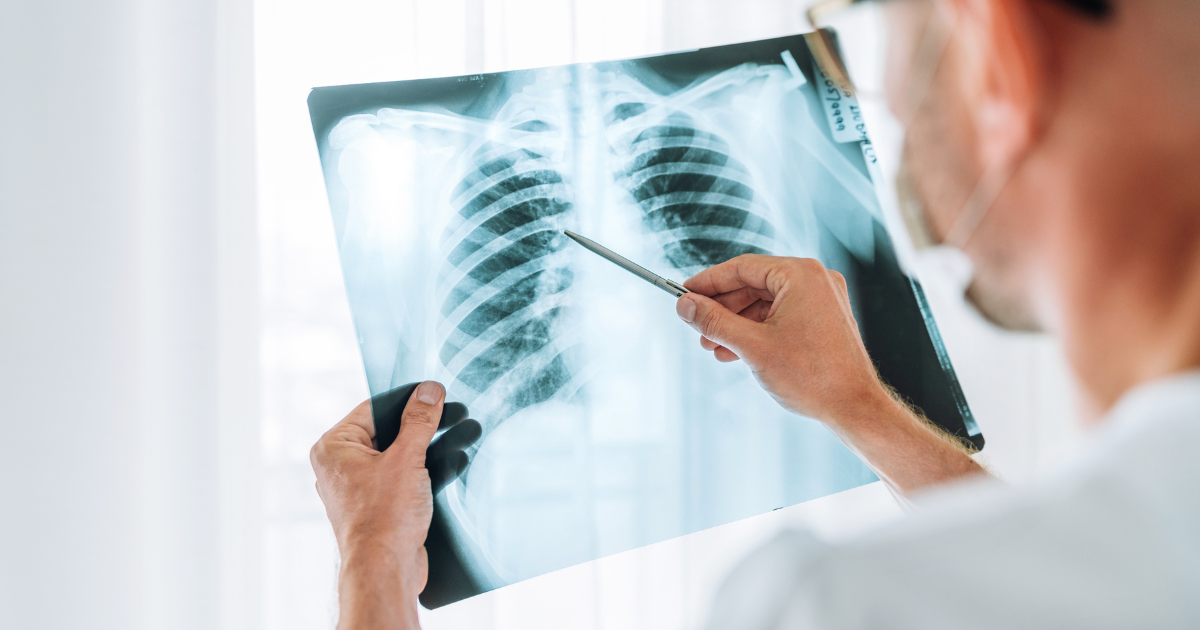
If you’ve already had a chest X-ray or CT scan, the pulmonologist will review the results. Additional imaging may be ordered if needed.
Check Oxygen Levels
Simple tests may be used to measure blood oxygen levels and evaluate how effectively your lungs are functioning.
Discuss Diagnosis and Treatment
At the end of the visit, your pulmonologist will explain their findings and recommend a treatment plan. This could include medications, inhalers, breathing therapies, sleep studies, or additional testing.
In some cases, specialized procedures like bronchoscopy may be scheduled separately. However, most first-time pulmonology visits focus on consultation and planning rather than on invasive procedures.
Do You Need a Referral to See a Pulmonologist?
Whether you need a referral depends on your insurance plan and healthcare network. Many pulmonologists accept self-referrals, meaning patients can schedule appointments directly. However, patients with HMO insurance plans often need a referral from their primary care clinician first.
At PACT, the referral process is designed to be simple and coordinated. Because primary care physicians and specialists work within the same integrated network, patients can often move seamlessly from primary care evaluation to pulmonology consultation without unnecessary delays.
If you’ve been searching for “pulmonology near me” or wondering whether it’s time to see a lung specialist, speaking with your primary care clinician is a great place to start.
Breathe Easier With Expert Pulmonary Care
A pulmonologist is a physician specially trained to diagnose and treat conditions affecting the lungs and respiratory system. While terms like “lung doctor” and “respiratory specialist” are often used interchangeably, understanding the differences can help you make informed decisions about your healthcare.
If you’ve been referred to a pulmonologist – or you’re experiencing ongoing breathing symptoms- getting expert care can make a significant difference in your comfort, health, and quality of life.
PACT Pulmonology, led by Dr. Puchalski, provides comprehensive respiratory and lung care for patients across Connecticut. From asthma and COPD management to advanced pulmonary evaluations, the team is committed to helping patients breathe easier and live healthier.
Ready to take the next step? Schedule a consultation with PACT Pulmonology today.