Key Takeaways
- Feeling exhausted even after a full night’s sleep may be a sign of sleep apnea.
- Loud snoring, gasping during sleep, morning headaches, and daytime fatigue are common symptoms.
- Sleep apnea can also cause brain fog, mood changes, dry mouth, and frequent nighttime urination.
- Many people mistake sleep apnea symptoms for stress, aging, or poor sleep habits.
- A pulmonologist can diagnose sleep apnea through a sleep evaluation and testing.
- Sleep apnea is treatable, and proper treatment can improve energy, focus, and overall health.
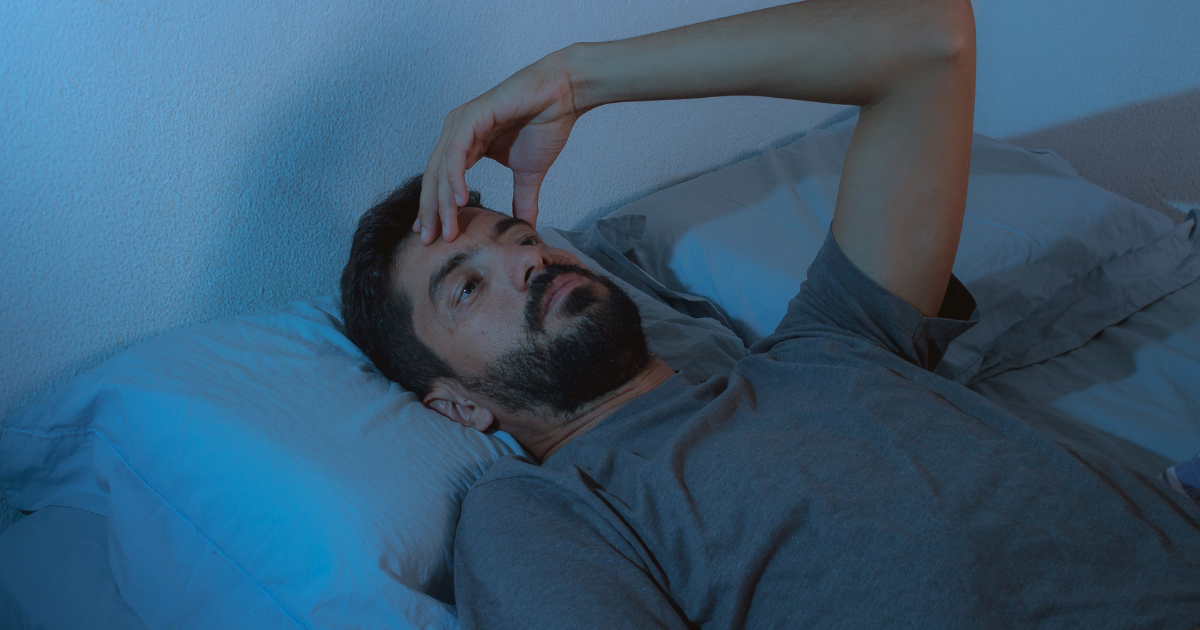
Waking up tired once in a while is normal. But when exhaustion becomes part of your daily routine, even after getting what should be enough sleep, it may be your body signaling that something deeper is going on.
Maybe your alarm goes off after eight hours in bed, yet you still feel drained before the day even starts. You rely on coffee to stay focused, struggle to concentrate during meetings, or catch yourself nodding off while watching TV. Perhaps your partner complains about loud snoring or says you stop breathing in your sleep.
These symptoms are easy to dismiss as stress, aging, or a busy schedule. But in many cases, they may actually be signs of sleep apnea, a common sleep disorder that disrupts breathing throughout the night and prevents truly restorative sleep.
Understanding the warning signs is important because untreated sleep apnea can affect more than just your energy levels. It may also increase the risk of high blood pressure, heart disease, diabetes, and other serious health problems.
This guide will help Connecticut residents recognize both the common and lesser-known signs of sleep apnea and understand when it may be time to speak with a pulmonologist.
What Is Sleep Apnea?
Sleep apnea is a sleep disorder that causes breathing to repeatedly stop and restart during sleep, reducing oxygen levels and interrupting normal rest.
The most common type is obstructive sleep apnea (OSA), which occurs when the airway becomes partially or completely blocked during sleep, often due to relaxed throat muscles or excess airway tissue.
Central sleep apnea is less common and occurs when the brain does not properly signal the muscles responsible for breathing.
Some people experience mixed or complex sleep apnea, which combines features of both obstructive and central sleep apnea.
Because these breathing interruptions can happen dozens or even hundreds of times per night, many people with sleep apnea never reach the deep, restorative stages of sleep their bodies need.
The Most Common Signs of Sleep Apnea
Loud, Chronic Snoring
Snoring is one of the most recognized sleep apnea symptoms, but not all snoring automatically means sleep apnea.
In obstructive sleep apnea, snoring tends to be loud, persistent, and punctuated by pauses, choking sounds, or gasps for air. This happens because the airway narrows or collapses during sleep, causing vibrations in the throat tissues.
In many cases, a bed partner notices the problem first. They may observe long pauses in breathing followed by sudden snorts or choking noises as the person briefly wakes to resume breathing.
If snoring is severe enough to disrupt your sleep or that of others, it’s worth discussing with a healthcare clinician.
Waking Up Gasping or Choking
One of the clearest signs of sleep apnea is waking suddenly during the night, feeling short of breath, choking, or gasping for air.
This sensation occurs because the airway temporarily collapses, causing oxygen levels to drop. The brain responds by partially waking the body so breathing can restart.
Some people remember these episodes clearly, while others have no memory of them but still experience poor sleep quality and daytime exhaustion.
Frequent nighttime awakenings, especially with gasping or choking, should never be ignored.
Excessive Daytime Sleepiness
Do you feel tired no matter how long you sleep?
Excessive daytime sleepiness is one of the hallmark signs of sleep apnea. Even if someone spends seven to nine hours in bed, repeated breathing interruptions prevent the body from entering deep, restorative sleep cycles.
As a result, people with sleep apnea often:
- Feel exhausted in the morning
- Need multiple cups of coffee to function
- Struggle to stay alert at work
- Fall asleep during quiet activities
- Feel fatigued while driving
This ongoing exhaustion can significantly affect work performance, relationships, and overall quality of life.
Morning Headaches
Morning headaches are another commonly overlooked symptom.
When breathing repeatedly stops during sleep, oxygen levels can decrease while carbon dioxide levels rise. These changes may trigger headaches upon waking.
Sleep apnea headaches are often described as:
- Dull or pressure-like
- Present shortly after waking
- Improved later in the day
Because headaches are so common, many people assume they’re caused by stress, dehydration, or tension instead of a sleep disorder.
Difficulty Concentrating or Brain Fog
Poor sleep quality affects the brain as much as the body.
People with sleep apnea often report:
- Trouble focusing
- Forgetfulness
- Slower thinking
- Reduced productivity
- Mental fatigue
This “brain fog” occurs because fragmented sleep impairs memory, concentration, and cognitive processing.
Many adults blame stress, busy schedules, or aging for these symptoms without realizing that sleep apnea may be contributing.
Waking Frequently to Urinate (Nocturia)
Frequent nighttime urination, known as nocturia, is a lesser-known but important sign of sleep apnea.
During apnea episodes, changes in oxygen levels and intrathoracic pressure can trigger the release of hormones that increase urine production.
People with sleep apnea may wake several times a night needing to use the bathroom, even if they limit fluids before bed.
Because nocturia is often associated with aging or prostate issues, the connection to sleep apnea is frequently missed.
Signs That Are Easy to Miss
Mood Changes and Irritability
Chronic sleep deprivation affects emotional health as much as physical health.
People with untreated sleep apnea may become:
- More irritable
- Easily frustrated
- Emotionally drained
- Anxious or depressed
Unfortunately, many patients are told their symptoms are simply caused by stress or burnout. While stress can absolutely affect sleep and mood, ongoing exhaustion combined with other symptoms may point toward an underlying sleep disorder.
Recognizing this connection can help patients move toward an accurate diagnosis and sleep apnea treatment rather than blaming themselves.
Dry Mouth or Sore Throat in the Morning
Waking with a dry mouth or sore throat may happen because many people with sleep apnea breathe through their mouths during sleep.
This often occurs when airflow through the nose becomes restricted or when repeated breathing interruptions disrupt normal breathing patterns.
Though easy to dismiss, a persistent morning dry mouth can be another clue that nighttime breathing is not normal.
Decreased Libido
Poor sleep quality can also affect hormones, energy levels, and sexual health.
Some people with sleep apnea notice a reduced sex drive or decreased interest in intimacy. Fatigue, hormonal disruption, and poor sleep all play a role.
While this symptom may feel uncomfortable to discuss, it’s more common than many people realize.
Who Is at Risk?
Sleep apnea can affect anyone, including children, but certain factors increase the risk.
Higher-risk groups include:
- Adults over age 40
- People who are overweight or obese
- Men, although women’s risk rises after menopause
- Individuals with a family history of sleep apnea
- People with a larger neck circumference
- Those with a small jaw or enlarged tonsils
- Smokers
- People who regularly consume alcohol
It’s important to remember that not everyone with sleep apnea fits a typical profile. Even individuals who are younger or not overweight can develop the condition.
That’s why paying attention to symptoms matters just as much as recognizing risk factors.
When to See a Pulmonologist
If you regularly feel exhausted despite getting enough sleep, or if you recognize several of these sleep apnea symptoms, it may be time to seek medical evaluation.
Pulmonologists and sleep medicine specialists diagnose and manage sleep apnea and other breathing-related sleep disorders. A proper evaluation typically includes:
- Reviewing symptoms and sleep history
- Discussing snoring and nighttime breathing patterns
- Assessing daytime fatigue and related symptoms
- Conducting a sleep study
Sleep studies may be performed overnight in a sleep lab (polysomnography) or at home using specialized monitoring equipment.
At PACT Pulmonology, pulmonology specialist Dr. Puchalski and the care team evaluate patients for sleep apnea and other respiratory conditions. Their goal is to help patients identify the cause of chronic fatigue and breathing-related sleep problems so they can begin effective treatment.
Conclusion
Sleep apnea is common, treatable, and often overlooked. Many people spend years blaming stress, aging, or busy schedules for symptoms that are actually linked to disrupted breathing during sleep.
If loud snoring, daytime exhaustion, morning headaches, or brain fog sound familiar, it may be time to take those symptoms seriously.
Think it might be sleep apnea? PACT Pulmonology can help you find answers. Schedule an appointment today to discuss your symptoms and explore treatment options that can help you sleep and feel better.