
Key Takeaways
- What causes shortness of breath ranges from harmless deconditioning and anxiety to serious conditions like heart failure, COPD, and blood clots in the lungs.
- The pattern matters more than the feeling: sudden shortness of breath, breathlessness with chest pain, or trouble breathing when lying down point to causes that need prompt care.
- Call 911 for sudden severe breathlessness, chest pain or pressure, bluish lips, fainting, or shortness of breath after a flight, surgery, or bed rest.
- See a doctor within 24 to 48 hours for breathlessness that has been worsening over days or weeks, especially with swollen ankles, fatigue, or a new cough.
- A primary care evaluation usually starts with a physical exam, a pulse oximetry reading, and targeted tests like a chest X-ray, EKG, blood work, or spirometry.
- PACT Primary Care is the right first stop in Connecticut, with PACT Pulmonology available for chronic or complex breathing conditions.
Shortness of breath can feel terrifying. It can also feel like nothing more than being out of shape after a long winter on the couch. The hard part is knowing which one you’re dealing with, and the internet is not much help: search the symptom, and you’ll find everything from “drink more water” to “go to the ER now.”
This guide is meant to close that gap. According to the CDC, nearly 6.7 million U.S. adults have heart failure, and shortness of breath during daily activities is one of its most common symptoms. Yet for most people, breathlessness has a far less serious explanation. The job is to tell the two apart, and to know exactly when to pick up the phone.
In this post, you’ll learn:
- What shortness of breath actually feels like, and why the pattern matters
- The eight most common causes, from benign to emergency
- When shortness of breath is serious enough for the ER, and when a doctor’s visit is the right call
- How a PACT provider evaluates breathlessness
What Does Shortness of Breath Actually Feel Like?
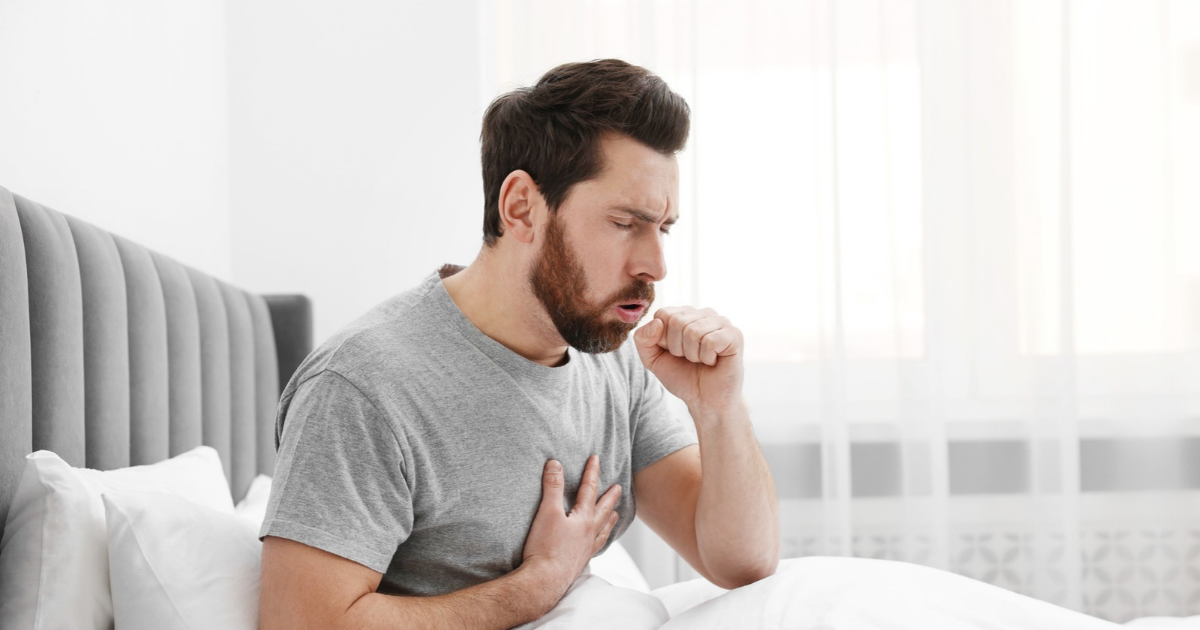
Doctors call it dyspnea. Patients describe it more vividly: an inability to take a full breath, chest tightness, air hunger, or the sensation of breathing through a straw.
How it shows up tells your provider a great deal. Pay attention to:
- Onset: Did it come on suddenly, over minutes, or build gradually over weeks or months?
- Trigger: Does it happen only with exertion, or also at rest?
- Position: Is it worse when you lie flat at night?
- Company: Does it come with chest pain, a racing heart, wheezing, fever, or swollen ankles?
Those four questions will shape the rest of this post, because they are the same questions that separate “probably fine” from “needs attention today.”
What Causes Shortness of Breath? The Most Common Explanations
The causes below are ordered from least to most concerning. Most Connecticut adults who walk into a PACT office with breathlessness land in the first half of the list. The second half is why we never dismiss the symptom.
Deconditioning and Inactivity
The most common benign cause. If you’ve been sedentary, your cardiovascular fitness declines, and climbing a flight of stairs leaves you winded. Regular exercise typically resolves this over weeks to months. The giveaway is consistency: it happens predictably with effort and never at rest.
Anxiety and Panic
Anxiety drives rapid, shallow breathing that can feel like true shortness of breath. It often arrives with a racing heart, chest tightness, and tingling in the hands. It isn’t dangerous, but it is distressing, and it’s worth treating rather than enduring.
Seasonal Allergies and Asthma
Allergic inflammation narrows the airways, producing wheezing, chest tightness, and breathlessness, particularly around triggers like pollen, dust, cold air, or exercise. Asthma is a chronic condition, but a treatable one, and many adults are diagnosed for the first time in their 30s or 40s.
Anemia
Fewer red blood cells means less oxygen reaching your tissues. Breathlessness with exertion is one of the most common signs of iron-deficiency anemia, often alongside fatigue and pale skin. A simple blood test confirms it.
COPD (Chronic Obstructive Pulmonary Disease)
COPD is a progressive lung disease that makes breathing harder over time, and it is routinely missed in current and former smokers. A 2024 CDC study in Preventing Chronic Disease found that among adults at higher risk for COPD, only 41.4% had ever received a breathing test. Breathlessness that has crept up over months or years deserves a pulmonary evaluation.
Heart Failure
When the heart can’t pump efficiently, fluid backs up into the lungs. Classic signs include shortness of breath with mild exertion, trouble breathing when lying flat, waking at night gasping, and swelling in the feet, ankles, or legs. This serious condition needs prompt evaluation, though it is also manageable once diagnosed.
Pulmonary Embolism (Blood Clot in the Lungs)
Sudden shortness of breath, often with sharp chest pain and a racing heart, can signal a clot that has traveled to the lungs. This is a medical emergency. The CDC estimates that up to 900,000 Americans are affected by blood clots each year, and about 25% of people with a pulmonary embolism have sudden death as their first symptom. Recent surgery, a long flight, or prolonged bed rest sharply raises the risk.
Pneumonia and Respiratory Infections
Infection and inflammation reduce the lungs’ ability to oxygenate the blood. Breathlessness from pneumonia typically arrives with fever, a productive cough, and fatigue, and it tends to worsen rather than improve after a week.
When Is Shortness of Breath Serious?
This is the question patients are really asking. Here is the answer, split into what needs emergency care versus what you can address in your doctor’s office.
Call 911 or go to the ER immediately for:
- Sudden, severe shortness of breath with no clear cause
- Shortness of breath with chest pain or pressure
- Lips, fingernails, or skin turning blue
- Shortness of breath with fainting or near-fainting
- Shortness of breath after a period of immobility (a flight, surgery, or bed rest), which can signal a blood clot
See a doctor within 24 to 48 hours for:
- Breathlessness that has been worsening over days to weeks
- Shortness of breath when lying down at night
- Breathlessness with significant fatigue, swollen ankles, or a new cough
- Breathlessness that limits activities you could do comfortably a month ago
One rule of thumb: if you are debating whether to call, call. An unnecessary visit costs you an afternoon. A missed clot or an unrecognized heart problem costs far more.
How Is Shortness of Breath Evaluated?
A PACT primary care provider starts with the basics: a physical exam, a pulse oximetry reading to check your blood oxygen level, and a careful review of your symptoms and history. The four questions from earlier (onset, trigger, position, company) usually narrow the list quickly.
Depending on what that reveals, the workup may include:
- Chest X-ray to look for infection, fluid, or lung changes
- EKG to check the heart’s rhythm and look for strain
- Blood tests, including a CBC for anemia, BNP for heart failure, and D-dimer when a clot is a concern
- Spirometry to measure lung function and screen for asthma or COPD
- Referral to a pulmonologist or cardiologist when the picture calls for it
For chronic or complicated breathing problems, PACT Pulmonology offers pulmonary function testing, sleep apnea evaluation, and specialist care for asthma, COPD, and chronic cough from offices in Guilford and Orange.
Why Connecticut Adults Trust PACT With Breathing Concerns
Shortness of breath is a symptom that always deserves attention because the causes range from easily treated to life-threatening, and you can’t reliably tell which is which from your couch. A primary care visit is the right first step.
PACT makes that step easy:
- Primary care offices across the New Haven area, including Hamden, Milford, Guilford, Wallingford, Madison, Cheshire, West Haven, New Haven, and Derby
- In-house pulmonology, so a referral for spirometry or specialist care stays within the same practice
- MyChartPLUS messaging for follow-up questions once you’ve been seen
Our PACT Primary Care providers will figure out what’s behind your breathlessness, whether that means a fitness plan, an inhaler, iron supplements, or a prompt referral to PACT Pulmonology or a cardiologist.
Experiencing shortness of breath you can’t explain? PACT’s Connecticut providers can help you find answers. Schedule your appointment today and stop guessing.
FAQs: What Causes Shortness of Breath
What causes shortness of breath?
Shortness of breath is most often caused by deconditioning, anxiety, allergies, asthma, or anemia. More serious causes include COPD, heart failure, pneumonia, and pulmonary embolism (a blood clot in the lungs). The onset, triggers, and accompanying symptoms help a doctor determine the cause.
When is shortness of breath serious?
Shortness of breath is serious when it comes on suddenly, occurs with chest pain or pressure, causes bluish lips or fingernails, leads to fainting, or follows surgery, a long flight, or bed rest. Those situations call for calling 911 or going to the ER. If breathlessness worsens over days or weeks, see a doctor within 24 to 48 hours.
Should I go to the ER for shortness of breath?
Go to the ER if your shortness of breath is sudden and severe, comes with chest pain, causes you to faint or nearly faint, or turns your lips or skin blue. If it built gradually and you can still speak in full sentences and walk around, call your primary care provider for a same-day or next-day appointment.
What causes shortness of breath when lying down?
Shortness of breath when lying down, called orthopnea, is a classic sign of heart failure, where fluid backs up into the lungs when you lie flat. It can also be caused by severe acid reflux, obesity, sleep apnea, or advanced lung disease. If you need extra pillows to breathe comfortably at night, see a doctor promptly.
Can anxiety cause shortness of breath?
Yes. Anxiety and panic attacks trigger rapid, shallow breathing that feels like you can’t get enough air, often with a racing heart, chest tightness, and tingling in the hands or lips. It is not physically dangerous, but because the symptoms overlap with heart and lung problems, a doctor should rule those out before attributing breathlessness to anxiety alone.
How do doctors test for the cause of shortness of breath?
Doctors start with a physical exam, a pulse oximetry reading, and a review of your symptoms and history. Depending on the findings, they may order a chest X-ray, an EKG, blood tests such as a CBC, BNP, or D-dimer, or spirometry to measure lung function. They refer complex cases to a pulmonologist or cardiologist.