Key Takeaways
- Thyroid disorders affect women significantly more often than men and can impact energy, mood, weight, digestion, and menstrual health.
- Persistent fatigue, unexplained weight changes, hair thinning, and brain fog may be signs of hypothyroidism or hyperthyroidism.
- Many thyroid symptoms overlap with stress, aging, PMS, or perimenopause, making proper testing important.
- Symptoms that continue despite lifestyle changes or rest should not be ignored.
- An endocrinologist can diagnose thyroid disorders through hormone testing, clinical evaluation, and imaging when necessary.
- Early diagnosis and treatment can dramatically improve quality of life.
Many women are told that feeling exhausted, gaining weight more easily, struggling with mood changes, or experiencing brain fog is simply “part of getting older” or the result of stress. But in some cases, these symptoms may point to an underlying thyroid condition.
Thyroid disorders affect women at rates estimated to be five to eight times higher than in men. Yet symptoms are often overlooked because they can develop gradually and mimic everyday hormonal changes, busy lifestyles, or even anxiety and depression. As a result, many women spend months or years dismissing symptoms that deserve medical attention.
The good news is that thyroid conditions are highly treatable once properly diagnosed. Understanding the difference between common hormonal fluctuations and true thyroid dysfunction can help women seek care sooner and feel better faster.
In this guide, we’ll cover common thyroid symptoms in female patients, explain the difference between hypothyroidism and hyperthyroidism, and discuss when it may be time to see an endocrinologist.
How the Thyroid Affects Your Body
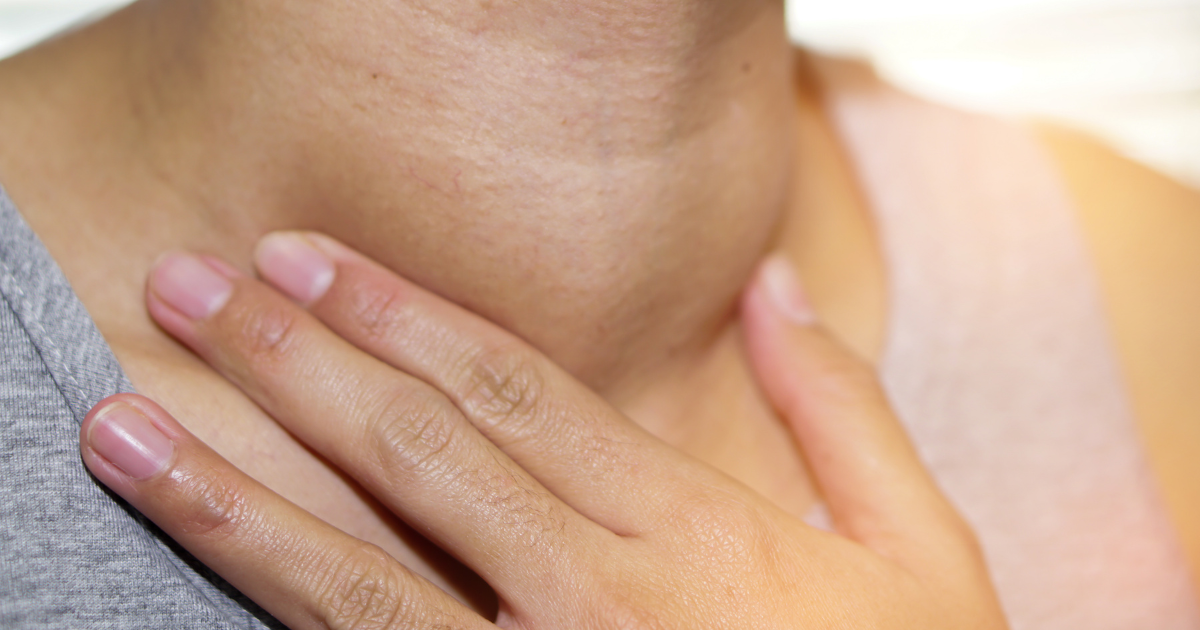
The thyroid is a small butterfly-shaped gland located at the front of the neck, but it has a major impact on how the body functions. Thyroid hormones help regulate metabolism, energy production, body temperature, heart rate, digestion, mood, and menstrual cycles. When the thyroid becomes underactive (hypothyroidism) or overactive (hyperthyroidism), nearly every system in the body can be affected. Because thyroid hormones influence so many processes, symptoms often appear gradually and may feel unrelated at first.
Signs of an Underactive Thyroid (Hypothyroidism) in Women
Hypothyroidism symptoms are among the most common thyroid-related concerns in women. Hypothyroidism occurs when the thyroid does not produce enough hormone, causing many body functions to slow down.
Persistent Fatigue and Sluggishness
Feeling tired after a long day is normal. Feeling exhausted all the time – even after a full night’s sleep – is not. One of the hallmark hypothyroidism symptoms is persistent fatigue that doesn’t improve with rest. Women often describe it as feeling physically and mentally slowed down.
Unexplained Weight Gain
An underactive thyroid slows metabolism, making it easier to gain weight and harder to lose it. Even women who maintain healthy eating habits and regular exercise may notice gradual weight gain or increased difficulty managing their weight.
Feeling Cold All the Time
Cold intolerance is another classic sign of hypothyroidism. Women with low thyroid function may constantly feel chilled, especially in their hands and feet, even when others around them feel comfortable.
Depression or Low Mood
Thyroid hormones influence brain chemistry and serotonin regulation. In some cases, women experiencing low thyroid function are initially treated for depression before thyroid testing reveals the underlying issue. Symptoms may include sadness, low motivation, emotional numbness, or loss of interest in daily activities.
Hair Thinning or Hair Loss
Hair follicles are highly sensitive to thyroid hormone levels. Hypothyroidism can cause diffuse hair thinning across the scalp and, in some cases, thinning of the outer portion of the eyebrows. Hair may also become dry, brittle, or slow-growing.
Constipation and Slow Digestion
Because metabolism slows with hypothyroidism, digestion often slows as well. Women may experience constipation, bloating, or a persistent feeling of sluggish digestion despite dietary changes.
Brain Fog and Memory Problems
Many women with hypothyroidism report trouble concentrating, forgetfulness, or difficulty processing information quickly. Brain fog can interfere with work, parenting, relationships, and daily responsibilities, yet it’s frequently mistaken for stress or burnout.
Irregular or Heavy Periods
The thyroid plays a key role in hormonal balance and reproductive health. Low thyroid hormone levels can lead to heavier menstrual bleeding, irregular cycles, or fertility challenges. For women of reproductive age, menstrual changes can be an important clue that something hormonal is happening beneath the surface.
Signs of an Overactive Thyroid (Hyperthyroidism) in Women
While less common than hypothyroidism, hyperthyroidism can also significantly affect a woman’s health. Hyperthyroidism occurs when the thyroid produces too much hormone, causing body systems to speed up.
Unexplained Weight Loss
Women with hyperthyroidism may lose weight unexpectedly despite eating normally, or even eating more than usual. Increased metabolism can cause rapid calorie burning and noticeable weight changes.
Rapid or Irregular Heartbeat
An overactive thyroid stimulates the cardiovascular system, often leading to heart palpitations, a racing heartbeat, or irregular heart rhythms. Some women describe feeling their hearts pounding even while resting.
Anxiety, Nervousness, and Irritability
Excess thyroid hormone can overstimulate the nervous system. Symptoms may include increased anxiety, restlessness, mood swings, or feeling constantly “on edge.”
Excessive Sweating and Heat Intolerance
Unlike hypothyroidism, hyperthyroidism often causes heat intolerance. Women may feel unusually warm, sweat excessively, or struggle in temperatures that previously felt comfortable.
Trembling Hands
Fine tremors in the hands or fingers are another distinguishing symptom of hyperthyroidism. These tremors may become more noticeable during tasks requiring precision or steady movement.
Frequent Bowel Movements
Accelerated digestion can lead to more frequent bowel movements or loose stools. Some women also notice increased appetite alongside digestive changes.
What’s Normal vs. What’s Not
Hormonal changes are a normal part of life. Stress, PMS, pregnancy, and perimenopause can all affect energy levels, mood, sleep, and weight. However, thyroid-related symptoms tend to be more persistent and less tied to a specific phase of the menstrual cycle or season.
For example, occasional fatigue after a stressful week is common. Fatigue that continues for months despite adequate sleep is not. Mild seasonal hair shedding can happen naturally, but significant hair thinning or eyebrow loss may signal a thyroid issue.
Similarly, small weight fluctuations are normal, while unexplained weight gain or loss without changes in diet or activity deserves medical evaluation.
It’s also important to remember that thyroid disorders and perimenopause can coexist. Because the symptoms often overlap, it’s important not to assume symptoms are “just hormones” without proper testing.
When Should a Woman See an Endocrinologist?
A woman should see an endocrinologist when she has persistent symptoms of thyroid dysfunction, abnormal thyroid blood test results, a thyroid nodule, autoimmune thyroid disease, or a family history of thyroid disorders.
An endocrinologist specializes in diagnosing and treating hormone-related conditions, including thyroid disorders. While primary care clinicians often identify initial thyroid concerns, some women benefit from more specialized evaluation and treatment.
You may want to see an endocrinologist if:
- Blood work shows abnormal TSH, T3, or T4 levels
- Symptoms continue despite treatment or normal initial testing
- A thyroid nodule or enlargement has been identified
- You have autoimmune thyroid conditions, such as Hashimoto’s thyroiditis or Graves’ disease
- You are pregnant or planning to conceive and have thyroid concerns
- You have a strong family history of thyroid disease
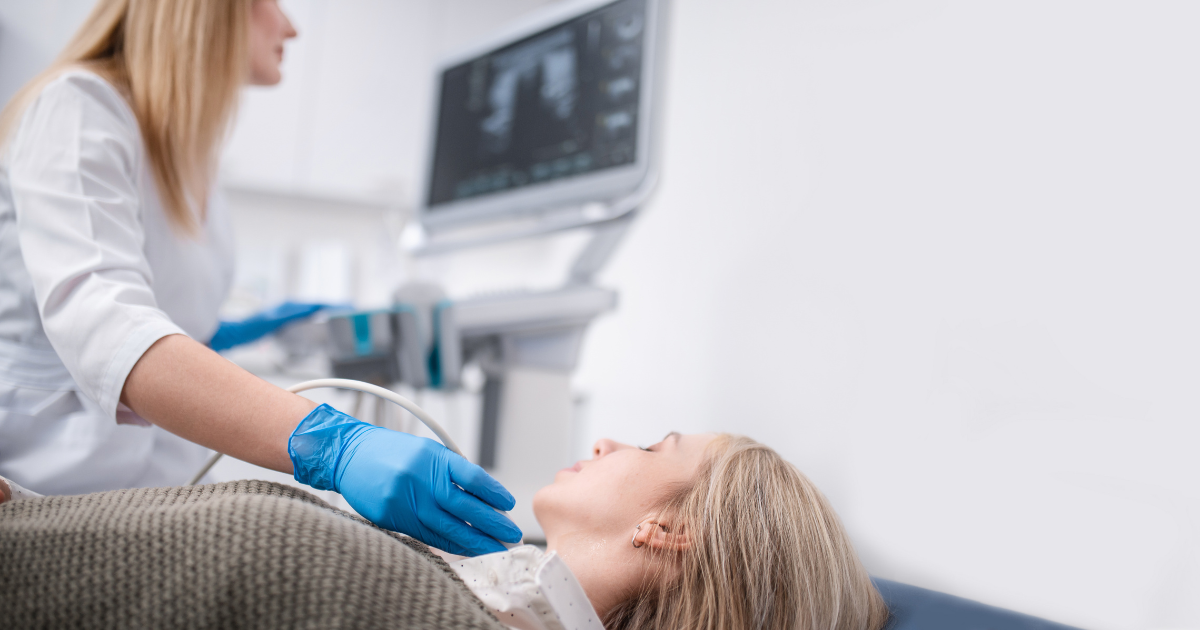
Many women also ask, “What does an endocrinologist do?” During an appointment, the specialist reviews symptoms, medical history, medications, and family history while evaluating hormone function in greater detail. This may include advanced thyroid blood testing, thyroid antibody testing, and, in some cases, a thyroid ultrasound.
For patients in Connecticut, PACT Endocrinology provides specialized care for thyroid disorders, diabetes, and other hormone-related conditions. Their team helps patients identify the root cause of symptoms and create personalized treatment plans designed to improve long-term health and quality of life.
Contact PACT for Thyroid Issues
Living with ongoing fatigue, unexplained weight changes, mood shifts, or hair loss can be frustrating, especially when symptoms are brushed aside as stress or aging. But thyroid disorders are common, diagnosable, and highly treatable once properly identified.
If these thyroid symptoms in female patients sound familiar, it may be time to stop dismissing them and seek a professional evaluation. Early diagnosis can help prevent complications and restore energy, balance, and overall well-being.
PACT Endocrinology specializes in thyroid disorders, diabetes, and hormonal health for patients in Connecticut. If any of these symptoms sound familiar, schedule an appointment today.