
8 Health Tips for Women You Can Follow at Home

Maintaining good mental and physical health should always be a priority. However, during National Women’s Health Week, May 10-16, 2020, it is important to raise awareness of the positive steps you can take to improve your health and wellbeing. With new challenges being presented due to the outbreak of COVID-19, it is especially important to be mindful of your health and take care of yourself.
While your healthcare routine may have changed due to COVID-19, there are still plenty of ways to remain healthy and active while at home.
Long-Term Effects of Alcohol on the Brain, Kidneys and Liver

Alcohol sales continue to surge as the U.S. is forced to shelter at home during the COVID-19 pandemic. In fact, alcoholic beverage sales have increased by 55% in 2020 compared to last year. While opting for a few drinks during the week is not a cause for concern, it’s important to be mindful of the long-term health effects of chronic alcohol use.
6 Types of Coughs and What They Mean
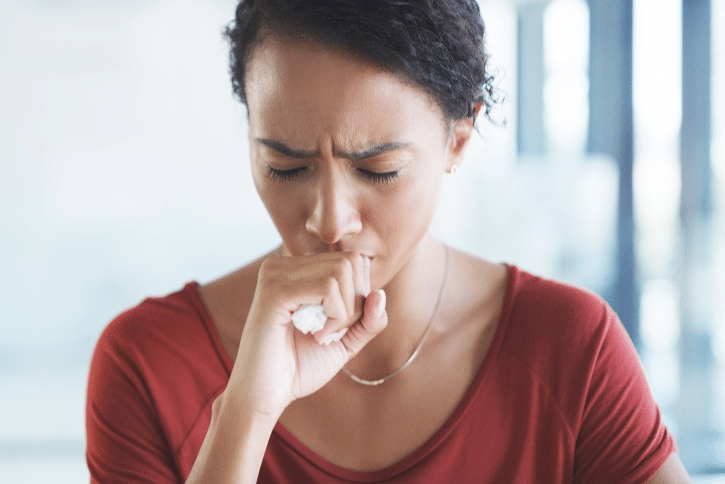
A cough is your body’s way of releasing air to clean some type of irritation in the throat or airways, such as dust. An occasional cough is considered normal and is rarely a cause for concern. However, if a cough persists for weeks and produces discolored or bloody mucus, it can be a symptom of an underlying illness or condition.
7 Symptoms of Kidney Stones and When to See a Doctor
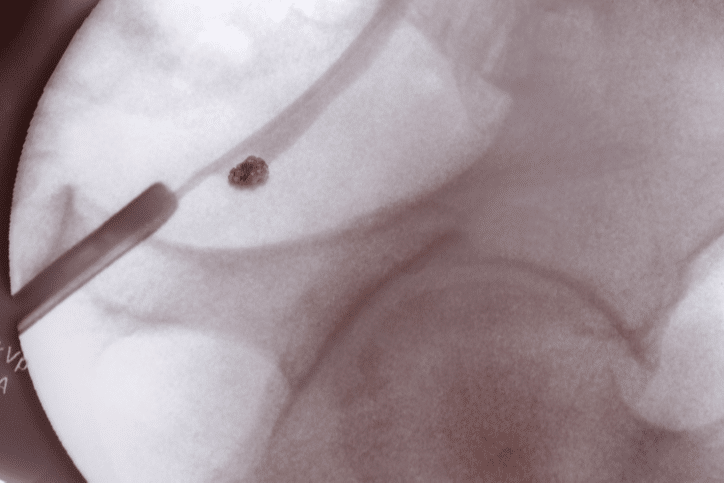
Kidney stones are hard mineral and salt collections that form inside your kidneys and are quite common. Each year, more than half a million men and women in the United States seek medical treatment for kidney stones and this number is growing. The National Kidney Foundation states the occurrence of kidney stones has increased from 3.8% in the late 1970s to 8.8% in the late 2000s in both men and women.
Men’s Health Screening Checklist for Every Age

If you’re a man who avoids or dreads going to the doctor, you’re not alone. In fact, a recent study found that men, in particular, may have a more negative attitude toward going to the doctor regularly than women do. The study revealed that nearly two-thirds of male respondents said that they avoid going to the doctor for as long as possible. In addition, 72% of male respondents said that they would rather do household chores than go to the doctor. Whether it is out of fear, inconvenience or perceived costs of visiting the doctor, the consequences of skipping out on recommended healthcare screenings and check-ups is dire.
The Best Heart Healthy Foods to Work into Your Diet

Heart disease is one of the most common diseases in men and women and causes 1 in every 4 deaths in the U.S. The term heart disease refers to any disorder or deformity of the heart, including congenital heart disease, arrhythmia, coronary artery disease and heart failure. While heart disease has often been perceived as an older person’s health condition, it has been occurring more frequently in younger populations, ages 35-64, making it all the more critical to be proactive about heart health.