
Pulmonary Fibrosis Care in Connecticut
Support for Breathing Changes and Ongoing Lung Care
Pulmonary fibrosis is a condition that causes scarring in the lungs, making it harder for oxygen to move through the body. Over time, this can affect breathing and daily activity.
PACT Pulmonology provides pulmonary fibrosis care in Connecticut, focusing on evaluation, symptom management, and long-term support.
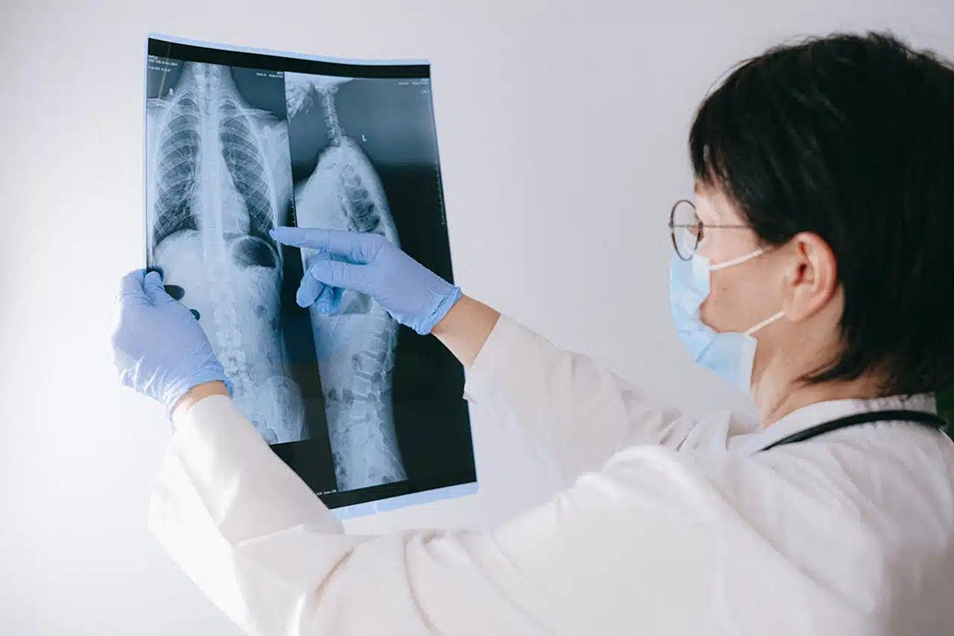
What Is Pulmonary Fibrosis?
Pulmonary fibrosis is a condition that causes lung tissue to thicken and stiffen. This scarring impairs the flow of oxygen from the lungs into the bloodstream.
It is part of a group of conditions known as interstitial lung disease, which affects the tissue surrounding the air sacs in the lungs.
In some cases, pulmonary fibrosis is linked to known factors such as environmental exposure, autoimmune disease, or prior treatments. In others, it is classified as idiopathic pulmonary fibrosis, meaning the cause is not clearly identified.
Symptoms and How They May Progress
Symptoms of pulmonary fibrosis often develop gradually and may become more noticeable over time.
- Shortness of breath during activity, which may become more persistent
- A dry cough that does not go away
- Fatigue or reduced stamina during daily tasks
- Unexplained weight loss in some cases
- Discomfort or tightness in the chest
As the condition progresses, breathing may feel more limited, and activities that were once routine may require more effort.
Causes and Related Conditions
Pulmonary fibrosis can develop for different reasons. In some cases, a cause is identified, while in others it develops without a known trigger.
Environmental or Occupational Exposure
Long-term exposure to dust, chemicals, or pollutants may contribute to changes in lung tissue.
Autoimmune Conditions
Conditions such as rheumatoid arthritis or scleroderma may affect the lungs over time.
Medication or Treatment History
Certain medications or prior radiation therapy may be linked to lung scarring.
Idiopathic Pulmonary Fibrosis
In many cases, no clear cause is found. This is referred to as idiopathic pulmonary fibrosis.
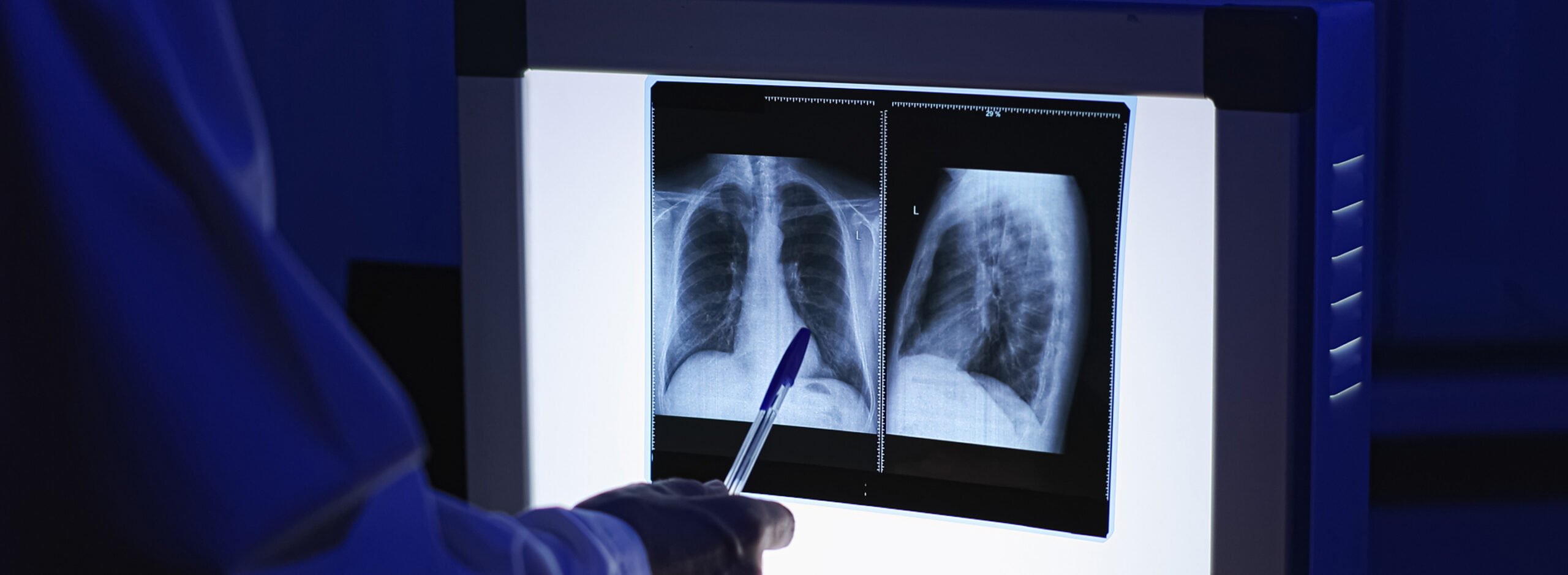
How Pulmonary Fibrosis Is Diagnosed
Diagnosing pulmonary fibrosis involves reviewing your symptoms and using testing to evaluate lung structure and function.
- Discussion of your symptoms, medical history, and potential exposures
- Imaging, such as chest CT scans, to identify changes in lung tissue
- Pulmonary function testing to assess lung capacity and airflow
- Bloodwork or additional testing, if needed, to evaluate related conditions
These steps provide a clearer picture of what may be affecting your lungs and guide your care plan.
Treatment and Symptom Management Options
Medication Management
Medications may be prescribed to slow disease progression or address symptoms that affect breathing and comfort.
Pulmonary Rehabilitation
Structured programs include guided exercise, breathing techniques, and education to support endurance and daily function.
Oxygen Therapy
Supplemental oxygen may be recommended if oxygen levels are low, to support breathing during activity and at rest.
Lifestyle and Activity Adjustments
Monitoring and Follow-Up Care
Regular visits and testing track changes over time and guide updates to your care plan.
Specialist Coordination
Care may involve coordination with other specialists to address related conditions and support overall lung health.

Why Specialized Pulmonary Care Matters
Pulmonary fibrosis is a complex condition that requires ongoing evaluation and care from a pulmonary specialist.
Specialized care supports:
- Accurate diagnosis based on symptoms, imaging, and lung function
- Ongoing monitoring as your condition changes over time
- Adjustments to treatment based on your response to care
- Coordination with other specialists when additional support is needed
Request Pulmonary Fibrosis Care
Connect with a PACT clinician to review your symptoms and discuss your care options.
Frequently Asked Questions
What are the early symptoms of pulmonary fibrosis?
Early symptoms often include shortness of breath during activity and a persistent dry cough. These changes may develop gradually and become more noticeable with time.
How is pulmonary fibrosis diagnosed?
What treatments are available for pulmonary fibrosis?
Treatment may include medications, pulmonary rehabilitation, oxygen therapy, and regular follow-up based on your condition and how it changes over time.
Can pulmonary fibrosis be cured?
Pulmonary fibrosis is a long-term condition. Treatment focuses on managing symptoms, slowing progression, and supporting day-to-day function.
How often should I see a clinician for pulmonary fibrosis?
Follow-up depends on your symptoms and treatment plan. Regular visits allow your clinician to monitor changes and adjust care as needed.