Now Accepting New Patients, No Referral Needed for most PPO plans: SCHEDULE NOW
Polycystic ovary syndrome, or PCOS, is a hormone-related condition that can affect menstrual cycles, skin, hair growth, weight, and blood sugar. Symptoms may look different from person to person, which can make PCOS difficult to recognize without proper evaluation.
PACT Endocrinology provides PCOS care in Connecticut for patients who need specialty evaluation, testing, and long-term management support.
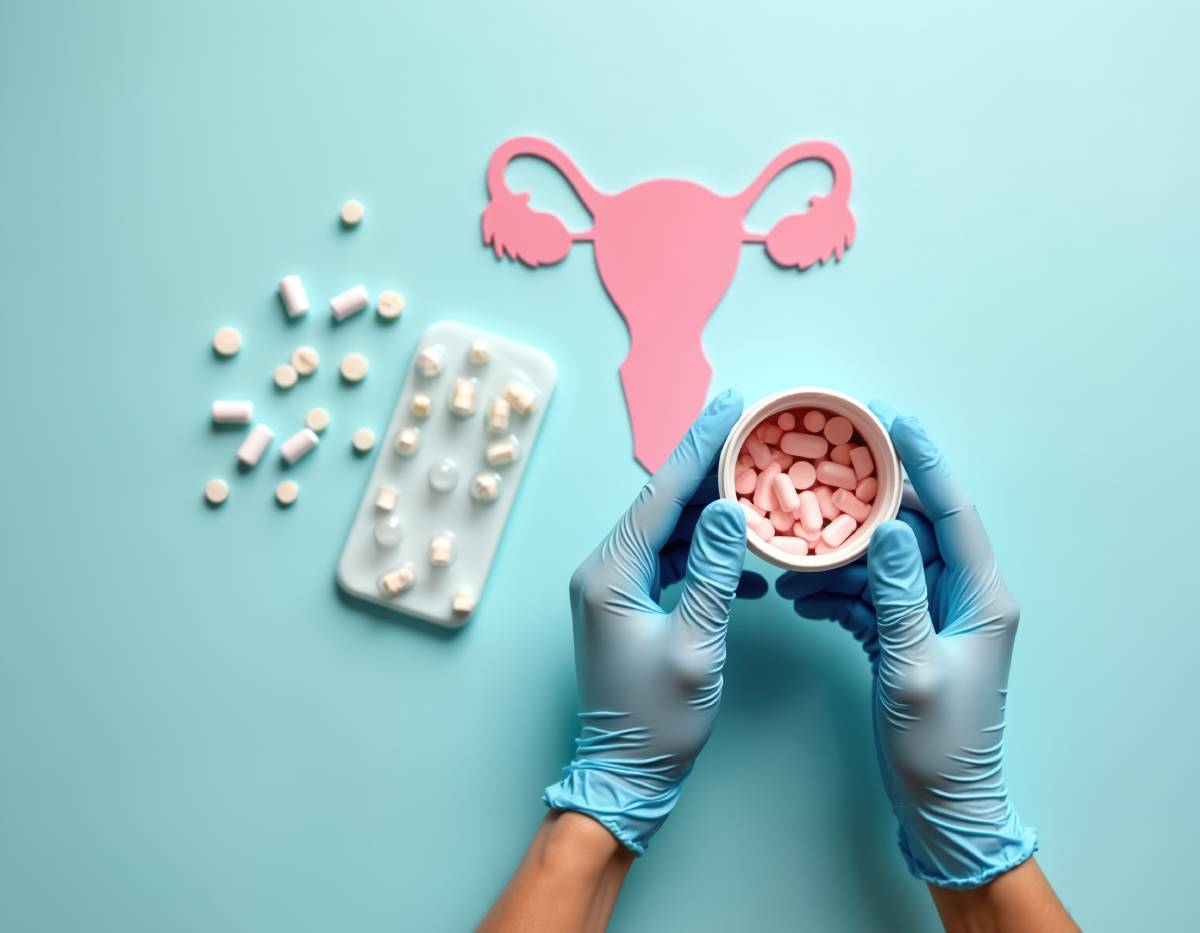
PCOS is a common endocrine condition that affects reproductive hormones and metabolism. It may cause irregular ovulation, elevated androgen levels, insulin resistance, or changes in menstrual cycles.
Despite the name, not every person with PCOS has ovarian cysts. Diagnosis is based on symptoms, lab results, medical history, and other findings.
PCOS symptoms can develop gradually and may change over time. Some patients have several symptoms, while others only notice one or two.
Common signs may include:
If symptoms continue or menstrual changes become more noticeable, an endocrinology evaluation may be appropriate.
PCOS diagnosis is based on symptoms, menstrual history, lab results, and whether other conditions may be contributing.
Your provider may review:
Testing helps identify whether PCOS is present and whether another endocrine condition may be involved.
Higher androgen levels may contribute to acne, excess hair growth, thinning hair, and irregular periods.
Some patients with PCOS have insulin resistance, which can affect blood sugar and weight patterns.
PCOS may disrupt ovulation, which can lead to irregular periods or fertility concerns.
PCOS may be associated with a higher risk of prediabetes, Type 2 diabetes, cholesterol changes, or other metabolic concerns.
Treatment may focus on menstrual regulation, acne, excess hair growth, or other symptoms that affect daily life.
If insulin resistance or blood sugar changes are present, care may include monitoring, medication review, or guidance on metabolic health.
Nutrition, activity, sleep, stress, and weight patterns may be discussed when they relate to PCOS symptoms or metabolic health.
Medication may be recommended to address hormones, menstrual cycles, insulin resistance, or other PCOS-related concerns.
Patients with irregular ovulation or fertility concerns may need additional evaluation or coordination with reproductive health specialists.
Follow-up care may include lab review, symptom tracking, and updates to treatment as health needs change.

Cycle changes may indicate ovulation issues or hormonal changes that warrant evaluation.
Skin changes and unwanted hair growth may be connected to elevated androgen levels.
Difficulty managing weight, insulin resistance, or abnormal A1C results may benefit from an endocrine review.
Irregular ovulation can affect fertility and may require specialty care or coordinated treatment.
Thyroid disorders, adrenal conditions, and other hormone concerns can cause similar symptoms and should be considered.
PCOS often needs more than a one-time evaluation, especially when symptoms or metabolic concerns change.
PACT reviews menstrual patterns, symptoms, lab results, blood sugar markers, and related hormone concerns together.
PCOS may affect cycles, skin, hair growth, weight, insulin resistance, and long-term metabolic health.
Care is based on medical evaluation, test results, symptoms, and the endocrine factors involved in PCOS.
With locations in Hamden and Orange, PACT offers Connecticut-based endocrine care for patients seeking PCOS treatment.
Connect with PACT Endocrinology to review PCOS symptoms, cycle changes, lab results, or treatment options.
Common PCOS symptoms include irregular periods, acne, excess facial or body hair growth, thinning hair, weight changes, insulin resistance, and difficulty getting pregnant. Symptoms can vary, and some people may only notice a few changes.
Yes. PCOS can affect ovulation, which may make it harder to get pregnant. Many people with PCOS can still become pregnant, but some may need medical support to improve ovulation or address related hormone concerns.
PCOS treatment may include lifestyle support, medications to help regulate periods, treatment for acne or excess hair growth, insulin resistance management, metabolic monitoring, and fertility-related care when appropriate.
An endocrinologist may be helpful if PCOS symptoms involve hormone imbalance, insulin resistance, weight changes, abnormal lab results, or long-term metabolic concerns. Specialty care can also help if symptoms are not improving with general treatment.
We use cookies to enable essential site functionality, analyze site traffic and user interaction, and personalize content. By clicking Accept, you consent to our use of cookies as described in our Privacy Policy.
PACT, LLC & PACT MSO, LLC
322 East Main Street, Suite 1B
Branford, CT 06405
PACT, LLC & PACT MSO, LLC
322 East Main Street, Suite 1B
Branford, CT 06405