
Now Accepting New Patients, No Referral Needed for most PPO plans: SCHEDULE NOW
Hormones affect many parts of daily health, including energy, weight, mood, sleep, metabolism, menstrual cycles, and stress response. When hormone levels are out of balance, symptoms may feel confusing or difficult to connect to one clear cause.
PACT Endocrinology provides hormone evaluation and care in Connecticut for patients who need answers about symptoms, lab changes, or endocrine conditions.
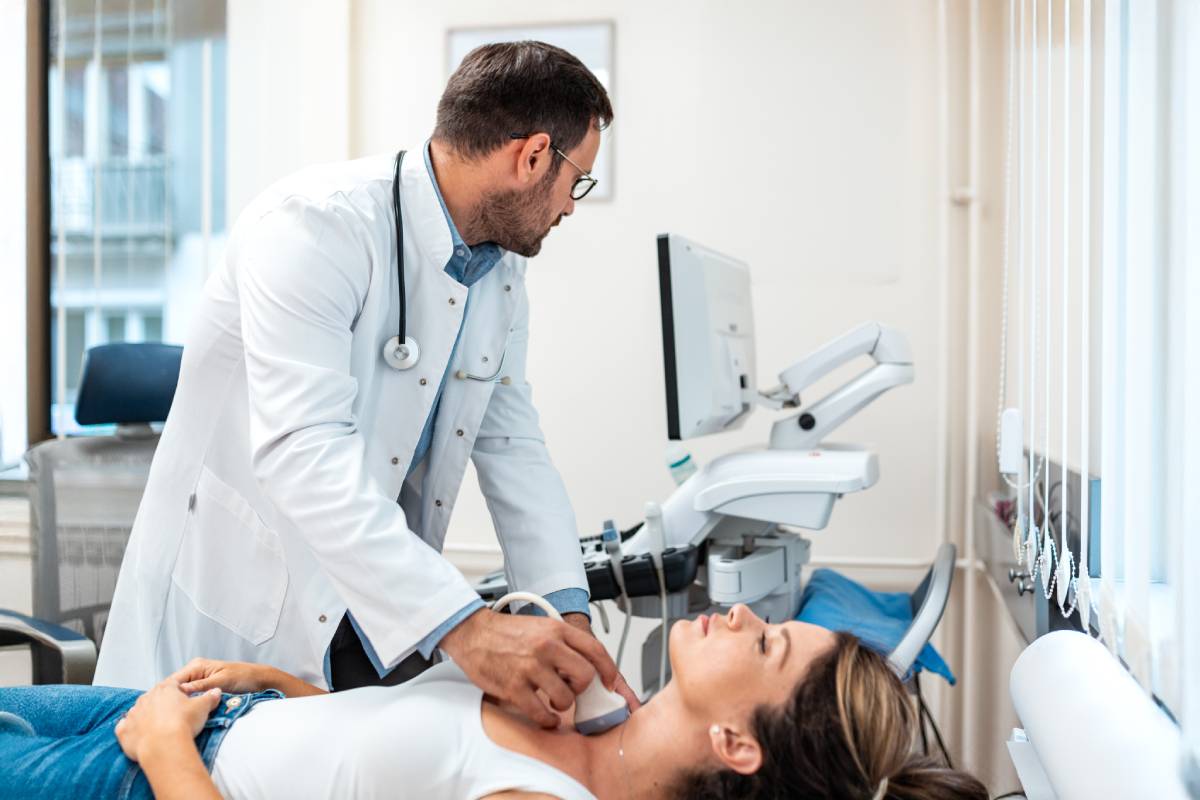
Hormone imbalance means one or more hormones may be too high, too low, or not functioning as expected. Because hormones act as chemical messengers throughout the body, even small changes may affect how you feel day to day.
A hormone imbalance may involve the thyroid, adrenal glands, reproductive hormones, pituitary gland, insulin, or other parts of the endocrine system. Evaluation focuses on identifying the underlying cause rather than treating symptoms in isolation.
Hormone-related conditions can vary widely depending on which hormones are affected.
Common symptoms of hormone imbalance include:
If symptoms persist, an endocrinologist for hormones can evaluate whether an endocrine condition may be contributing.
Hypothyroidism, hyperthyroidism, and thyroid nodules may affect energy, weight, heart rate, and temperature sensitivity.
Polycystic ovary syndrome (PCOS) may affect menstrual cycles, skin, hair growth, weight, and metabolic health.
Adrenal conditions may affect cortisol, blood pressure, energy levels, and the body’s stress response.
Changes in insulin and blood sugar levels may affect energy, appetite, weight, and long-term metabolic health.
The pituitary gland helps regulate multiple hormones, so changes in pituitary function can affect several body systems.
Hormone shifts related to menopause or reproductive health may cause symptoms that require endocrine evaluation when they become persistent or difficult to manage.
Hormone symptoms often overlap with different conditions, so evaluation starts with a full picture of your health.
Your provider may review:
Testing may include bloodwork, imaging, or follow-up labs, depending on the suspected cause. The goal is to connect symptoms with reliable clinical findings before recommending treatment.
Medication may be recommended to replace low hormone levels, reduce excess hormone activity, or manage symptoms related to an endocrine condition.
Follow-up bloodwork may be used to track hormone levels, review treatment response, and adjust care when needed.
Treatment may focus on thyroid disease, PCOS, adrenal disorders, pituitary concerns, diabetes, or other endocrine conditions.
Nutrition, activity, sleep, stress, and daily routines may be discussed when they relate to hormone health and symptom patterns.
Some hormone concerns may require imaging, specialty testing, or coordination with another provider based on findings.

It may be time to see a hormone specialist when symptoms continue, lab results are abnormal, or hormone-related concerns are affecting daily life.
A hormone specialist can evaluate:
If you are searching for a hormone specialist near me, PACT Endocrinology offers local specialty care in Hamden and Orange for patients across Connecticut.
PACT focuses on medical evaluation for thyroid, adrenal, pituitary, reproductive, metabolic, and blood sugar-related concerns.
Hormone symptoms often affect more than one area of health. Your provider reviews related patterns rather than focusing on a single symptom.
Care recommendations are based on clinical findings, lab results, and the endocrine condition involved.
With locations in Hamden and Orange, PACT gives patients local access to endocrine care within the larger Physicians Alliance of Connecticut network.
Connect with PACT Endocrinology to review your symptoms and hormone imbalance treatment options.
Possible signs include fatigue, weight changes, mood changes, irregular periods, sleep issues, hair thinning, temperature sensitivity, or blood sugar changes. Testing is needed to determine whether hormones are involved.
An endocrinologist is a specialist who evaluates hormone-related conditions, including thyroid disorders, PCOS, adrenal disorders, diabetes, and pituitary concerns.
Yes. Thyroid disorders may affect energy, weight, mood, heart rate, temperature sensitivity, and menstrual cycles.
Coverage varies by plan and medical necessity. Check with your insurance provider or review PACT’s insurance page for more information.
We use cookies to enable essential site functionality, analyze site traffic and user interaction, and personalize content. By clicking Accept, you consent to our use of cookies as described in our Privacy Policy.
PACT, LLC & PACT MSO, LLC
322 East Main Street, Suite 1B
Branford, CT 06405
PACT, LLC & PACT MSO, LLC
322 East Main Street, Suite 1B
Branford, CT 06405