
Now Accepting New Patients, No Referral Needed for most PPO plans: SCHEDULE NOW
The adrenal glands make hormones that affect stress response, blood pressure, metabolism, salt balance, and energy. When adrenal hormone levels are too high or too low, symptoms may appear in different parts of daily health.
PACT Endocrinology provides adrenal disorder evaluation and treatment in Connecticut for patients who need specialty testing, diagnosis, and care planning.
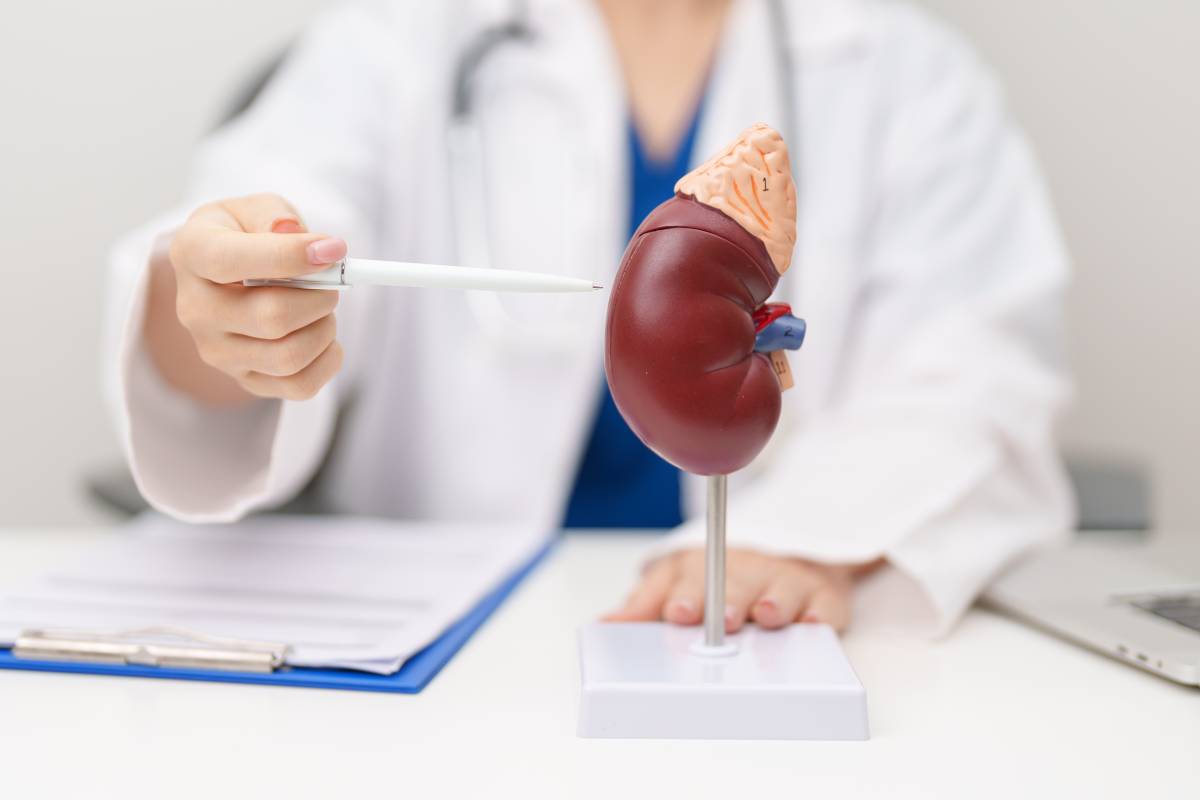
The adrenal glands are small glands located above the kidneys. They produce hormones such as cortisol, aldosterone, and adrenaline.
These hormones play important roles in blood pressure, fluid balance, metabolism, energy levels, and the body’s response to stress. When adrenal function changes, symptoms may be gradual, confusing, or difficult to link to a single cause.
Cushing syndrome occurs when the body has too much cortisol over time. This may be related to certain medications, adrenal gland changes, or hormone signals from the pituitary gland.
Adrenal insufficiency occurs when the adrenal glands do not make enough cortisol. Addison’s disease is one form of primary adrenal insufficiency.
Sometimes adrenal growths are found during imaging for another concern. Many are benign, but some may need hormone testing or monitoring.
This condition occurs when the adrenal glands produce too much aldosterone, which may contribute to high blood pressure or low potassium.
Adrenal disorder symptoms can vary depending on which hormone is affected and whether levels are too high or too low.
Common symptoms may include:
Because these symptoms can overlap with many other conditions, endocrine testing is often needed to identify whether the adrenal glands are involved.
Adrenal disorders are diagnosed through a combination of symptom review, medical history, physical exam, lab testing, and imaging when appropriate.
Your provider may recommend:
Testing helps determine whether symptoms are related to adrenal hormone levels, another endocrine condition, or a different medical concern.
For adrenal insufficiency, medication may be used to replace hormones the adrenal glands are not producing in adequate amounts.
Some adrenal concerns are related to steroid medication use or other treatments, so medication history may be reviewed carefully.
Aldosterone-related disorders may require monitoring of blood pressure, potassium levels, and fluid balance.
Adrenal nodules may need lab testing, imaging review, or referral depending on size, hormone activity, and appearance.
Treatment depends on the cause and may involve medication changes, specialist coordination, or additional testing.
Adrenal conditions often require periodic lab review, symptom monitoring, and treatment adjustments.
Ongoing fatigue, muscle weakness, or low stamina may need endocrine evaluation when the cause is unclear.
High blood pressure, low blood pressure, or abnormal potassium levels may point to adrenal hormone changes.
An adrenal nodule or mass may need lab testing to determine whether it is producing hormones.
Weight changes, easy bruising, muscle weakness, or blood sugar changes may require evaluation for cortisol-related conditions.
Low blood pressure, dizziness, salt cravings, fatigue, or darkening skin may require adrenal hormone testing.
These symptoms, especially when paired with blood pressure spikes, may need specialist review.

Adrenal symptoms can overlap with many conditions. PACT reviews symptoms, lab results, medications, blood pressure, and imaging together.
Our endocrinology team evaluates adrenal insufficiency, Addison’s disease, Cushing syndrome, adrenal nodules, aldosterone-related disorders, and other adrenal concerns.
Adrenal testing often requires careful timing and interpretation. Specialty care supports more accurate evaluation and monitoring.
With locations in Hamden and Orange, PACT provides local specialty care for complex hormonal concerns.
Connect with PACT Endocrinology to review adrenal symptoms, lab results, imaging findings, or treatment options.
Common symptoms may include fatigue, weakness, weight changes, blood pressure changes, dizziness, easy bruising, blood sugar changes, salt cravings, and changes in mood or menstrual cycles. Symptoms depend on which adrenal hormone is too high or too low.
Adrenal disorders are diagnosed through a combination of symptom review, medical history, lab testing, and sometimes imaging. Testing may include blood, urine, or saliva tests to evaluate cortisol, aldosterone, or related hormone signals.
Common adrenal conditions include Cushing syndrome, adrenal insufficiency, Addison’s disease, primary aldosteronism, and adrenal nodules. Some require treatment, while others may need monitoring.
“Adrenal fatigue” is a term many people use when describing ongoing tiredness or stress-related symptoms, but it is not considered a standard medical diagnosis. An endocrinologist can evaluate symptoms and test for recognized adrenal disorders when appropriate.
You should consider endocrinology care if you have abnormal adrenal labs, an adrenal nodule, unexplained cortisol concerns, hard-to-control blood pressure, low potassium, or ongoing symptoms that may be related to hormone imbalance.
We use cookies to enable essential site functionality, analyze site traffic and user interaction, and personalize content. By clicking Accept, you consent to our use of cookies as described in our Privacy Policy.
PACT, LLC & PACT MSO, LLC
322 East Main Street, Suite 1B
Branford, CT 06405
PACT, LLC & PACT MSO, LLC
322 East Main Street, Suite 1B
Branford, CT 06405